About half of MLB games make it through the first inning without a run. That slim margin is exactly why NRFI betting rewards process, pricing, and discipline more than blind pick-following.
The right approach is simple. Build your own nrfi predictions today by checking the matchup first, then comparing the number across offshore books before you bet. A playable NRFI at MyBookie can be a bad bet at BetUS if the price moves 10 to 15 cents against you. That gap decides whether you are making a sharp bet or paying retail.
Top Offshore Sportsbook Bonuses for September 2026

$2,750
200% Crypto Bonus PLUS 10% Gamblers Insurance with a minimum $100 deposit and a maximum of $1,500. Use Code: JOIN200 in the Cashier.


$250 + 100 Free Spins
All new players receive $250 in Free Bets and 100 Casino Spins. Join today and enter the promo code WELCOME in the cashier when you deposit $50 or more.

Get a 50% deposit bonus up to $1,000 with the code: CRYPTO1K. Valid on crypto deposits.
This guide is a daily playbook for finding NRFI value at offshore sportsbooks like MyBookie, BetUS, BetAnything, Xbet, Bet105, Cosmobet, BUSR, Bookmaker.eu, and Heritage Sports. Use it to screen the slate, test each game with first-inning data, and shop every line before first pitch.
Start with three rules:
- Treat NRFI edges as small: You are not hunting huge prediction gaps. You are trying to beat the posted price.
- Use multiple inputs: Pitcher form, top-of-order danger, weather, park factors, and market movement all matter.
- Never bet the first number you see: Compare books every day. The better line is often the difference between profit and break-even.
Pros do not win this market by guessing which games feel quiet. They win by using a repeatable method, cutting weak setups fast, and taking the best available price every time.
1. Sports Betting Consensus Picks
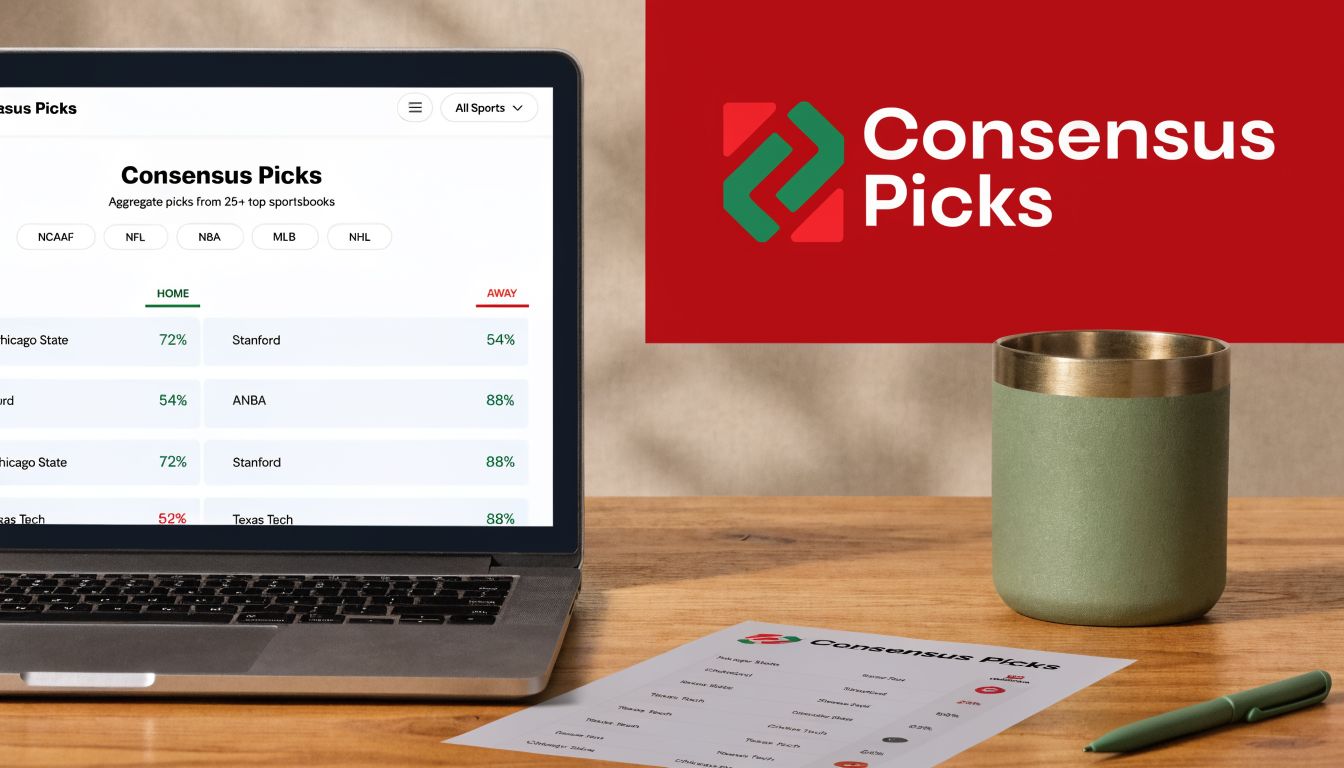
Consensus can help you cut a 15-game slate down to three or four serious NRFI candidates fast. Use it for triage, then do your own work before you bet.
That distinction matters. Consensus picks are useful because they show you where multiple bettors, cappers, and model-driven accounts agree early in the day. They are dangerous when you treat agreement as proof. Sharp NRFI betting at offshore books like BetUS and MyBookie starts with a shortlist, then shifts to price and matchup quality.
How to use consensus the right way
Use consensus as your first screen only. If the same game keeps appearing across pick feeds, betting communities, and public card trackers, put it on your board. Then pressure-test it with first-inning matchup details and the actual number available offshore.
A clean process looks like this:
- Flag repeated NRFI games: If several sources land on the same matchup, it deserves review.
- Check first-inning pitcher fit: Look at early command, strikeout ability, and whether the starter tends to settle in late instead of starting clean.
- Audit the top three hitters: NRFI bets are decided by the first wave of plate appearances. A dangerous 1-2-3 matters more than lineup depth.
- Compare offshore prices immediately: A playable NRFI at MyBookie can become a pass at BetUS, BUSR, or Heritage Sports if the juice climbs too high.
- Remove “name value” bias: Popular starters often attract blind NRFI money even when the matchup is poor.
Recommendation: Follow consensus to find games. Ignore consensus when the price is wrong.
That one rule saves money.
What consensus does well, and where it fails
Pros
- Speeds up your daily scan
- Surfaces games the market is already debating
- Helps newer bettors avoid random, low-information plays
Cons
- Pushes you toward crowded bets
- Hides weak assumptions behind agreement
- Can leave you laying bad prices at offshore books that move slower or charge more juice
Here's the practical mistake to avoid. A matchup shows up on multiple NRFI feeds because both starters have strong overall reputations. Bettors pile in. MyBookie posts one number, BetUS hangs a worse one, and the top of one lineup still has real first-inning power and contact skill. If you bet the consensus without checking those details, you are buying a popular opinion, not an edge.
Pros use consensus the same way they use broad model signals in other markets, including college basketball computer prediction systems. It is a starting point for filtering opportunities, not a replacement for your own number.
If you want a cleaner workflow, use tools with lineup tracking, alerts, and reporting built into their key features. The goal is simple. Save time on the scan, spend time on the bet.
A better daily habit
Build a two-column board each morning.
In column one, list NRFI games that show up repeatedly in public consensus. In column two, write the best offshore price currently available at books you trust. Then remove every game where the matchup is shaky or the number is too expensive. What survives is your real shortlist.
Consensus should narrow the slate. Your process should decide the bet.
2. Advanced Statistics and Predictive Models
Books hang NRFI prices every day that are based on broad team strength, public pitcher reputation, and fast market adjustments. Your job is narrower. Price the first three to six batters better than the book.
That changes the entire process. A useful NRFI model is not a full-game handicap trimmed down for a shorter market. It is a first-inning calculator built around the exact variables that decide the bet before either starter settles in.
Build the model around first-inning events
Start with the inputs that matter right away:
- Starting pitcher first-inning profile: first-inning ERA, WHIP, walk rate, strikeout rate, and first-time-through-the-order results
- Command over raw stuff: pitchers who nibble create traffic, and traffic kills NRFI bets
- Top-of-order quality: OBP, strikeout rate, isolated power, and stolen-base pressure from the first four hitters
- Handedness splits: some lineups are harmless overall but dangerous against one pitch mix
- Umpire and strike-zone context: tighter zones increase baserunners and force more hitter's counts
- Bullpen irrelevance: ignore it. This market is decided before relievers matter
Keep it simple enough to repeat every morning. If your model has 20 inputs and you cannot explain why a game qualifies in 15 seconds, cut it down.
What to do with the number
Create a fair price before you check offshore books. Then compare that number against what BetUS, MyBookie, Bookmaker.eu, and other shops are offering. That is how you find bets with actual margin instead of chasing someone else's pick.
Use this workflow:
- Project NRFI probability from your pitcher and lineup inputs.
- Convert it to implied odds so you know your fair number.
- Check offshore prices and write down the best available line.
- Pass bad value fast if the market is charging too much juice.
- Log the reason for the play so you can review what works.
If you want a cleaner routine for monitoring your process, price checks, and alerts, review the reporting and tracking key features serious bettors use.
The mistakes that ruin model-based NRFI betting
Bettors usually miss in one of three ways:
- They overweight season-long stats. NRFI is a micro market. Full-game strength can hide first-inning weakness.
- They ignore lineup shape. A weak offense can still have a dangerous top three.
- They skip price discipline. A solid read at the wrong number is still a bad bet.
One more rule. Do not treat every edge the same. A model edge built on pitcher command and top-of-order strikeout problems is stronger than one built on generic team ERA.
For bettors who already use projections in other markets, USASportsbookList's guide to college basketball computer prediction sportsbooks shows the same principle. Build your number first. Shop the market second.
Track your projections against market movement, too. A good betting line movement tracker for offshore sportsbooks helps you see whether the value disappeared before first pitch.
A profitable NRFI model does one thing well. It prices the first inning more accurately than the sportsbook.
3. Live Betting Odds Movements and Line Shopping
Small price gaps decide this market. NRFI edges are usually thin, so grabbing the best number at the right offshore book matters as much as the handicap itself.
That is why serious bettors keep multiple outs. BetUS, MyBookie, Bookmaker.eu, Heritage Sports, BUSR, and Xbet do not move at the same speed. One book reacts to lineup news fast. Another hangs a stale price for a few extra minutes. Your job is to take the stale number before it disappears.
As noted earlier, NRFI prices often sit in a tight range. That creates a simple rule. If your projected edge is small, bad juice kills the bet. Do not force action because you like the matchup.
What to track before first pitch
Use this routine every day:
- Open several offshore books at once: Start with MyBookie, BetUS, and Bookmaker.eu, then check Heritage Sports and BUSR for confirmation.
- Convert the price to implied probability: A NRFI at -115 and the same NRFI at -135 are different bets, even if your opinion never changed.
- Watch the first meaningful move: If sharper books move first and softer books lag, hit the slow book.
- Recheck after lineups post: A missing leadoff hitter or a catcher resting can change first-inning scoring risk fast.
- Set a max price before you bet: If your number says NRFI should be -118, do not pay -130.
- Log where you found the best line: That record tells you which offshore books are worth keeping funded.
Use a tracker if you want speed and cleaner comparisons. USASportsbookList's betting line movement tracker page helps you compare shifts across books without bouncing between tabs all afternoon.
The same line shopping habit works in other fast-moving prop markets. If you bet player props too, this guide to first basket prediction strategies at offshore sportsbooks shows the same principle. Build your number, then attack weak pricing.
What a good NRFI line-shopping setup looks like
Best-case setup
- BetUS opens a playable NRFI price
- MyBookie is close
- Bookmaker.eu moves first after lineup news
- You grab the stale number at the slower book before the rest catch up
Bad setup
- You check one book only
- You see the market already steamed
- You accept worse juice because the pick still "feels right"
- Your edge is gone before you click bet
That difference adds up over a season. Same games. Same reads. Better prices.
One more recommendation. Separate information sources from distribution channels. If you share plays or run a private betting community, tools like Suby for paid Telegram groups handle delivery and billing. Your betting edge still comes from getting the best number faster than the market.
Real example. MyBookie may hang a playable NRFI while BetUS and Heritage Sports already moved to a worse price. Take the best opener and move on. Do not reward a late screen check with bad juice.
4. Specialized NRFI Prediction Services
Dedicated NRFI services save time only if they narrow your decision, not if they flood you with recycled picks. Use them as a filter for first-inning information you can act on fast at offshore books like BetUS and MyBookie.
A strong service focuses on the first inning only. That means projected top-of-order matchups, first-frame pitcher performance, umpire context if available, and lineup changes that matter before the game starts. A weak service posts a pick, adds a paragraph about the starting pitchers, and never explains why the first three batters should fail.
What separates a useful service from content fluff
Start with the writeup itself. If the analysis is built around full-game ERA, team record, or a generic "ace on the mound" angle, skip it. NRFI betting is a timing market. You need reasons tied to the first nine outs, not broad MLB commentary.
Use this checklist:
- Look for first-inning inputs: leadoff OBP, first-time-through-the-order splits, and pitcher opening-frame command
- Demand lineup awareness: the service should react to scratch news and batting-order changes
- Check whether the price still works: a solid NRFI idea becomes a bad bet at the wrong juice
- Prefer services that show process: the best ones explain why the matchup fits, so you can verify it yourself
- Track results by closing line value: if their picks constantly beat the closing number, pay attention
Here is the right way to use a specialist service. Pull the matchup logic. Compare the NRFI line across your offshore outs. Bet only when the number still leaves room for profit. That is the difference between following content and building a repeatable betting process.
A good specialist service also helps you spot patterns you can reuse without the service tomorrow. If you bet other fast-moving prop markets, the same approach applies to first basket prediction strategies at offshore sportsbooks. Build a short checklist, compare books, and attack weak prices before the market corrects.
Pros and cons matter here.
Pros
- Faster slate filtering
- Better focus on first-inning variables
- Useful for catching lineup-based edges early
- Good training tool if the writeups explain the bet clearly
Cons
- Many "NRFI experts" just repackage public stats
- A good pick at open can turn bad after a market move
- Blindly tailing picks trains bad habits
- Generic services rarely beat sharp offshore pricing for long
One more practical point. Some bettors turn their own NRFI process into a subscription product or private picks channel. If that is your setup, Suby for paid Telegram groups handles the delivery side. Your actual edge still comes from stronger first-inning analysis and better prices than the public gets.
5. Professional Handicapping Services and Syndicates
Paid picks can help. Blind tailing cannot.
Use handicappers and syndicates for one job only: speed up your NRFI screening. If they do not give you a clear reason tied to the first inning, the pick has no value. Skip any service that sells MLB in bulk and treats NRFI like a side note.
The best paid groups are narrow and specific. They focus on first-inning pitcher stability, top-of-order contact quality, early lineup splits, and price sensitivity across books. Generic cappers usually talk about season ERA, team streaks, or overall records. That is weak NRFI analysis and a bad reason to bet.
What to demand before following a paid opinion
Start with transparency. A serious handicapper should show three things: what they bet, when they released it, and how the number performed by close. As noted earlier, public NRFI pick tracking shows why this matters. Results can look strong in a short sample, but the key signal is whether the bettor consistently beats the closing line and explains the first-inning matchup with detail.
Use this checklist before paying for any service:
- Demand first-inning logic: They should break down the opening four to six hitters, not just the full game matchup.
- Check release timing: Early releases matter more in NRFI because prices move fast.
- Track closing line value: If their -105 becomes -125, the read was good. If they release at -125 after the market moved, you missed the edge.
- Compare offshore books yourself: BetUS, MyBookie, and other offshore outs rarely move in perfect sync. A playable NRFI at one book can be a pass at another.
- Ignore win rate screenshots: A capper can go on a heater. Pricing discipline is what lasts.
If a handicapper cannot explain the first inning hitter by hitter, they have not earned your money.
Here is the right way to apply a syndicate release. A service sends out NRFI because both starters have solid full-game numbers. You check the actual first-inning setup and find one lineup stacks patient hitters at the top, while the other starter has a habit of working deep counts early. Then you look at your offshore books and see the NRFI already got steamed. That is a pass, not a tail.
That is the point of this section. Professional picks are not your answer. They are raw material for your own process. Take the release, test the reasoning, shop the number, and decide whether the current price still beats your projection.
Pros and cons are simple.
Pros
- Cuts down the slate fast
- Can surface matchups you missed
- Helps newer bettors learn what strong NRFI reasoning looks like
- Gives you another reference point before you make your own number
Cons
- Many services sell recycled public analysis
- Late releases kill price value
- Hot streak marketing hides weak process
- Syndicate strength means little if your available line is already gone
The bettors who win with handicapping services do not follow picks. They audit them. That is the playbook. Use expert releases to find candidates, then build your own NRFI predictions today from the same inputs the sharp bettors use: first-inning data, lineup context, and aggressive line shopping across offshore sportsbooks.
6. Public Betting Trends and Reverse Line Movement Analysis
A bad NRFI read often starts with a lazy assumption. Bettors see two name-brand lineups, assume early offense, and push YRFI. The sharper move is to watch what the price does after that public money shows up.
If the crowd hits YRFI and the NRFI price still gets worse for you, pay attention. Books are telling you they are comfortable taking public YRFI action. That usually means respected money is on the other side, or the opener was too soft on NRFI.
Reverse line movement only matters if you tie it to a real first-inning handicap. Check the first three hitters. Check the starter's first-inning walk rate, strike-throwing, and pitch count efficiency. Check whether the offense looks dangerous because of reputation or because the actual top of the order is built to score early.
Where reverse movement helps most in NRFI
Public trend tools are useful for one job. They show you where recreational money is likely piling up. That helps you spot inflated YRFI interest before you compare prices across offshore books like BetUS and MyBookie.
Use this setup:
- Start with the ticket split: If public bettors are heavy on YRFI, mark the game.
- Compare the actual price move: If NRFI goes from a better number to a worse one, sharp money likely hit that side.
- Check multiple offshore books: A move at one book means less than a move across several books.
- Confirm the baseball case: Strong top-of-order on-base skills can kill an NRFI, even if reverse movement points that way.
- Bet fast or pass: Once the market corrects, value disappears.
Here is a clean example. The public sees Yankees vs. Red Sox and bets YRFI because of the logos. You check the probable first inning instead of the season-long narrative. Both starters throw strikes early, one lineup is missing a key table-setter, and two offshore books move NRFI from a cheaper price to a more expensive one despite public YRFI interest. That is a playable signal.
Here is when to ignore reverse movement:
- One rogue book moves alone
- Lineups changed after the opener
- Weather or umpire news explains the move
- The NRFI price is already gone
Pros and cons are straightforward.
Pros
- Helps you fade public overreaction
- Works well in high-profile games with inflated YRFI demand
- Gives you a market-based filter before you bet
- Pairs well with line shopping at slower-moving offshore books
Cons
- Public betting splits can be noisy
- Reverse movement without baseball support is a trap
- Limits can be low in NRFI markets
- Late steam often leaves no edge
Use public betting trends as a filter, not a pick service. The goal is to catch disagreement between public opinion and sharp pricing, then decide whether your first-inning read still supports the number available at your book. That is how you turn NRFI predictions today into a repeatable process instead of a guess.
7. Weather Analysis and Ballpark Factor Integration
Weather and park context change NRFI prices more than casual bettors realize. The edge comes from knowing when that change matters and when the market has already priced it in.
You are betting six outs. That makes first-inning environment a direct input, not background noise.
Build a weather filter, not a weather pick
Start with the stadium and the forecast, then move straight to the first six hitters and the two starting pitchers. Wind out to the gaps matters more against fly-ball arms. Heat matters more when weak contact can still carry. Cold air helps only if the pitcher can throw strike one and avoid free baserunners.
That last part decides the bet. Earlier NRFI coverage from FanDuel and BetMGM has pointed bettors toward general first-inning factors, but your edge comes from using weather and park data as a pass or play filter before you shop the number at offshore books. That is how pros treat this information.
Use this checklist every day:
- Wind direction first: Out to center or the pull side raises YRFI risk fast. Inward wind supports NRFI, especially with contact-heavy top orders.
- Temperature second: Warm air boosts carry. Cooler air helps pitchers, but it does not fix bad command.
- Park shape third: Big outfields and heavier night air help NRFI. Short porches and altitude punish mistakes.
- Pitcher profile next: Back stable strike-throwers in neutral or pitcher-friendly conditions. Pass on wild starters, even if the weather looks good.
- Top-of-order fit last: A patient leadoff hitter against a starter with shaky first-pitch command can ruin an NRFI before park factors matter.
Here is the practical rule. Never upgrade an NRFI just because the weather looks pitcher-friendly. Upgrade it only when the pitcher can take advantage of that environment.
A clean example helps. Suppose Wrigley has wind blowing in, which looks great for NRFI at first glance. If one starter walks hitters early and the opponent opens with high-OBP bats, that wind matters less than bettors think. If BetUS hangs a cheap NRFI price anyway, pass. If MyBookie is slower to adjust on a game with two efficient strike-throwers and weak first-inning bats, bet it there instead of taking a worse number elsewhere.
What weather should make you do
Bet NRFI when:
- Wind and temperature suppress carry
- The park already plays fair or pitcher-friendly
- Both starters get ahead in counts
- The first three hitters on each side lack power or speed pressure
- Offshore books still disagree on price
Pass the game when:
- Weather and pitcher skill point in opposite directions
- One starter has poor command
- The park boosts cheap home runs
- A strong top order can force stressful pitches immediately
- The best NRFI number is gone
Pros
- Gives you a fast way to eliminate weak NRFI spots
- Works well with line shopping at BetUS and MyBookie
- Helps you avoid surface-level picks based only on ERA
- Adds context that public NRFI lists usually miss
Cons
- Forecasts can change close to first pitch
- Park effects are easy to overrate without pitcher context
- Wind matters differently by batted-ball profile
- Market value disappears quickly once weather gets widely discussed
Use weather and ballpark factors to reject bad bets first. Then use them to confirm the few NRFI spots where the pitcher, lineup, park, and offshore price all line up. That is the repeatable method.
NRFI Predictions Today, 7-Point Comparison
| Method | Implementation Complexity 🔄 | Resource Requirements ⚡ | Expected Outcomes ⭐📊 | Ideal Use Cases 📊 | Key Advantages 💡 |
|---|---|---|---|---|---|
| Sports Betting Consensus Picks (Expert Aggregators) | Low, platform-provided aggregation, minimal setup | Low–Medium, subscription fees, internet access | ⭐⭐, improves decision confidence; variable ROI depending on expert quality | Daily bettors wanting expert signals and quick filters | Pools multiple experts, transparent track records, quick actionable picks |
| Advanced Statistics & Predictive Models (Data Analytics) | High, requires modeling, validation, and maintenance | High, historical data, compute, ML expertise, engineering | ⭐⭐⭐⭐, strong probabilistic edges when well-calibrated (e.g., 55%+ on niche markets) | Quant bettors, modelers, and those seeking scalable, repeatable edges | Processes complex interactions, continuous learning, identifies subtle inefficiencies |
| Live Betting Odds Movements & Line Shopping | Moderate, needs real-time feeds and monitoring workflows | Medium, multiple sportsbook accounts, odds feeds, fast execution | ⭐⭐⭐, timely market edges; short-lived value windows | Sharp/in-play bettors and those exploiting emerging market moves | Reveals where pros are betting, enables best-price capture and sharp detection |
| Specialized NRFI Prediction Services | Low–Moderate, service-focused, little technical setup for users | Low–Medium, subscription, daily monitoring, service vetting | ⭐⭐⭐, niche accuracy (historically ~53–55%); lower variance than full-game bets | Bettors specializing in NRFI and high-volume daily plays | Deep domain expertise, pitcher/park-specific models, consistent daily opportunities |
| Professional Handicapping Services & Syndicates | Low for user (complex internally), subscription model | Medium–High, fees, vetting time, reliance on service credibility | ⭐⭐–⭐⭐⭐, highly variable; top providers show strong historical records but costs matter | Bettors seeking curated picks, analysis, and bankroll guidance | Professional analysis, documented track records, educational reasoning and community |
| Public Betting Trends & Reverse Line Movement Analysis | Low–Moderate, requires interpretation of public vs. lines | Low, many free sources; real-time feeds may be paid | ⭐⭐, useful contrarian signals; not foolproof | Contrarian bettors and those spotting public overreaction (NRFI overvaluation) | Low-cost insight into market sentiment; flags smart money when lines move opposite public |
| Weather Analysis & Ballpark Factor Integration | Moderate, integrates meteorological and stadium data into models | Medium, weather APIs, ballpark metrics, domain knowledge | ⭐⭐, modest but measurable improvement in park-sensitive markets | Bettors targeting ballpark-sensitive markets (NRFI, HR props) | Captures environmental variables often missed by general models; verifiable, quantitative edge |
Your Daily NRFI Prediction Playbook
The best nrfi predictions today don't come from one source. They come from a layered routine. Start with consensus to narrow the board. Use first-inning stats and matchup-specific models to build your number. Then compare offshore prices at MyBookie, BetUS, Xbet, Bookmaker.eu, Heritage Sports, BUSR, BetAnything, Bet105, and Cosmobet before first pitch.
Keep your process tight. Focus on starting pitcher quality in the first inning, the first few hitters due up, team opening-frame tendencies, and whether the market is charging too much for a popular angle. NRFI is a small-edge market. That makes discipline more important than excitement.
The biggest mistake bettors make is thinking NRFI is simple because the bet settles fast. It isn't. The market may look clean, but the difference between a strong bet and a weak one usually comes down to price, lineup order, and whether the pitcher can command the zone immediately. That's why line shopping and matchup context matter more than social media picks.
Use offshore books to your advantage. One book may hang a playable number while another forces you to pay too much juice. If you're serious about building a repeatable edge, hold multiple accounts, compare every NRFI line, and don't bet unless your projected edge survives the market price. That's how experienced bettors use MyBookie and BetUS differently from casual players.
You also need restraint. Not every slate offers quality action. If the top games are priced efficiently or the line moved against you, skip the card and wait for a cleaner opportunity. Protecting your bankroll is part of winning NRFI betting, especially in a market where probabilities are often close.
If you want one final habit, make it this. Grade your bets by closing value and process, not just whether the first inning stayed scoreless. Over time, that will tell you if your method is working. And if you're also looking for viewing options while you track the board, this guide to an MLB game stream for cord-cutters is a practical add-on for game day.
Use USASportsbookList to compare offshore sportsbooks, review betting features, and find the right setup for your NRFI strategy. If you're choosing between MyBookie, BetUS, Xbet, Bookmaker.eu, Heritage Sports, BUSR, BetAnything, Bet105, or Cosmobet, the site gives you a cleaner way to evaluate sportsbook options before you place your next first-inning wager.