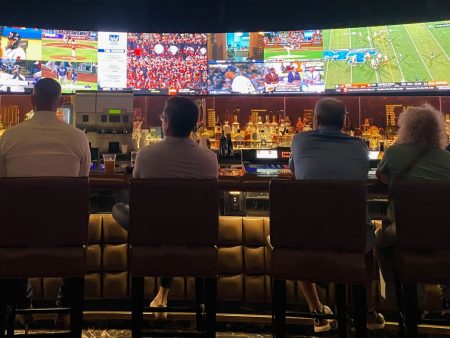
A single bet may seem harmless; the warning lies in how much of life starts bending around the next one.
Saturday’s wager loses, so Sunday’s fixture becomes a chance to “put it right.” Soon, odds are checked before breakfast, in-play alerts interrupt conversations, and money intended for bills quietly reaches the betting account. Because betting is woven into sport and social chat, this change can appear normal while the harm accumulates.

$250 + 100 Free Spins
All new players receive $250 in Free Bets and 100 Casino Spins. Join today and enter the promo code WELCOME in the cashier when you deposit $50 or more.

Get a 50% deposit bonus up to $1,000 with the code: CRYPTO1K. Valid on crypto deposits.


The crucial shift is from choice to compulsion. Betting no longer needs to be enjoyable to continue. Chasing losses, hiding spending, borrowing money, breaking self-imposed limits, and experiencing mood swings tied to results are serious warning signs. So are watching unfamiliar leagues solely to gamble and neglecting sleep, work, or relationships. One sign may have another explanation, but a growing cluster—especially with financial strain—should not be dismissed.
Frequency is not the diagnosis
Only a qualified health professional can diagnose gambling disorder. A screening questionnaire, an app’s activity report, or concern from family can identify reasons to seek help, but none is a diagnosis on its own.
Betting frequency is also an imperfect measure. Someone might place small, planned bets most weekends without losing control, while another person may bet less often but experience intense binges, spend money needed elsewhere, or repeatedly fail to stop. The amount wagered is similarly relative: a loss that seems modest can be destabilizing for someone with limited income.
What matters more is a persistent pattern over time. Concern rises when betting becomes difficult to control, continues despite clear harm, or repeatedly returns after attempts to cut back. Clinicians consider the wider picture, including preoccupation, escalating stakes, irritability when stopping, chasing losses, concealment, damaged relationships, and reliance on others for money.
Financial harm starts before crisis
Bankruptcy is not the threshold for a serious problem. Earlier consequences may include:
- late rent, utility, loan, or credit-card payments;
- overdraft fees, cash advances, or rapidly growing balances;
- selling possessions or withdrawing savings to keep betting;
- borrowing under false pretences or hiding statements;
- missing groceries, transport, medication, or other essentials.
A useful warning point is reached when gambling money is no longer genuinely disposable. Repeatedly moving funds away from obligations, concealing losses, or needing a future win to repair the budget indicates meaningful harm—even if debts are still being paid and outward finances appear intact.
What carries the most weight
Immediate support may be appropriate when betting threatens housing, food, safety, or access to essential medication.
When losses dictate the next bet
After a loss, the urge to “get even” can replace ordinary decision-making. Stakes may suddenly increase, several bets may be placed in quick succession, or a planned stopping point may be ignored because one win appears capable of fixing the night.
Chasing also changes what gets backed. Someone may turn to in-play markets without enough time to assess the odds, bet on unfamiliar leagues, or move immediately to the next match simply because it is available. These wagers are driven less by confidence than by urgency.
A larger bet does not make a previous loss easier to recover; it increases the amount exposed to another uncertain outcome. Even if a chase occasionally succeeds, that short-term relief can reinforce the pattern. Practical steps to stop chasing gambling losses include ending the session after a set loss, delaying access to betting apps, and treating money already lost as unrecoverable.
Returning again and again to recover losses—especially with rising stakes or rushed selections—is a major warning sign, not a workable recovery strategy.
When betting starts running the day
Persistent odds-checking can turn spare moments into a continuous betting loop. Someone may refresh prices at work, during meals, or late at night, even when no wager is planned. Thoughts about lines, accumulators, and possible returns may repeatedly interrupt conversations, sleep, or concentration.
Another warning sign is that sport feels flat without money attached. Matches once watched for rivalry, skill, or shared enjoyment become valuable mainly as betting opportunities. The person may lose interest in leagues or events where no suitable market is available.
Escalation can be gradual rather than dramatic. It may involve:
- increasing stakes to recreate earlier excitement;
- moving into unfamiliar or more volatile markets;
- placing live bets impulsively because waiting feels uncomfortable;
- making several wagers where one previously felt sufficient.
Repeatedly reversing self-imposed boundaries is meaningful evidence of weakening control. Deposit limits may be raised, closed accounts reopened, deleted apps reinstalled, or planned breaks abandoned after a day or two. A single lapse does not prove addiction, but a recurring pattern—especially alongside preoccupation and rising risk—should not be dismissed as poor discipline or bad luck.
The emotional fallout spreads
Betting problems can become visible through irritability, anxiety, restlessness, or sudden emotional swings. A win may bring brief relief or excitement, while a loss can trigger anger, shame, or panic. These reactions are especially concerning when they repeatedly affect life away from betting.
Secrecy increases the pressure
Distress often leads to concealment: minimizing losses, deleting betting records, inventing explanations for missing money, or becoming defensive when questioned. This can erode trust with partners, relatives, and friends. Arguments may then create more distress, making betting feel like an escape from the very problems it helped cause.
Sleep and routine can deteriorate as well. Late-night markets, replaying losses mentally, or checking odds in bed may lead to fatigue. Work, study, childcare, household tasks, and social plans can start receiving less attention—even when the person still intends to keep up.
Escape can reinforce the cycle
Betting may temporarily distract from loneliness, stress, grief, or low mood. Because that relief is short-lived, difficult feelings often return alongside fresh financial or relationship consequences. Another bet can then seem like a quick route back to relief.
Losses add urgency to this pattern. An impulsive wager made while angry or frightened may produce another loss, followed by deeper distress and more secrecy. The combination of emotional escape, reactive betting, and growing harm is a stronger warning sign than any single bad mood or sleepless night.
Judge the pattern, not the résumé
-
Look across several weeks
A single reckless evening may be uncharacteristic. Repeated episodes reveal more than any isolated bet.
-
Count different warning signs
Several affirmative signs—such as failed attempts to stop, concealment, chasing, or harm at home—justify a professional assessment.
-
Check whether control is narrowing
The key question is whether betting continues despite intentions, limits, or consequences, not whether every responsibility has collapsed.
-
Include near-misses and recoveries
A temporary winning streak or repaid debt does not erase the behavior that created the risk.
-
Treat apparent functioning cautiously
Employment, relationships, and bills may remain intact while considerable time, stress, and money are being absorbed.
A checklist cannot diagnose gambling disorder; it can show when an assessment is sensible.
What to do when betting feels out of control
-
Stop betting for the moment
Avoid trying to recover losses with one final wager. Leave betting environments and postpone any decision made under pressure.
-
Remove immediate access
Delete apps, log out, disable notifications, request self-exclusion, and activate gambling blocks through banks or payment providers where available.
-
Involve a trusted person
Tell someone clearly what has been happening. That person can hold payment cards, monitor essential spending, and help make gambling accounts harder to reopen.
-
Protect essential money
Pay rent, utilities, food, and debt minimums first. Avoid new loans or credit; independent debt advice may help when bills have already been missed.
-
Arrange professional support
Contact a gambling support service, counselor, or healthcare professional and book a specific appointment. A responsible online gambling guide may help with prevention, but repeated loss of control usually requires stronger barriers and treatment.
If distress becomes overwhelming or self-harm feels possible, emergency or crisis support should be contacted immediately.
Deposit caps, time reminders, and fixed budgets can support lower-risk play. Once limits are repeatedly raised, bypassed, or ignored, they should not be treated as the main safeguard. Self-exclusion, restricted access to money, trusted-person involvement, and professional care are more appropriate.
How friends and family can respond
Concerned relatives should describe what they have actually seen—missed rent, hidden statements, repeated requests for cash—rather than arguing about labels or motives. A quiet moment and calm, specific wording can help: “Three bills went unpaid after betting deposits.”
Support may include listening, arranging an appointment, or learning how to help someone with a gambling problem. It should not mean financing the pattern.
Firm boundaries can include:
- No loans, betting money, or debt repayments.
- No lies to employers, partners, or creditors.
- Separate accounts or restricted access to shared funds where appropriate.
Consequences can be painful, but repeatedly removing them may allow the betting to continue. Boundaries work best when stated clearly and followed consistently.
The first credible warning sign is enough reason to act the same day. Specific harms—missed bills, hidden bets, broken limits, lost sleep, or conflict—should be recorded rather than minimized. A qualified addiction professional or gambling addiction hotline can help assess the pattern.
Practical barriers should follow immediately: self-exclusion, account closure, bank gambling blocks, reduced payment access, and temporary control of essential funds by a trusted person. These measures create breathing room; they do not replace treatment.
Thoughts of self-harm, threats, violence, illegal acts, or inability to meet basic needs require immediate contact with local emergency or crisis services. If danger is imminent, the person should not be left alone when it is safe to stay. Help is appropriate before the situation becomes catastrophic.