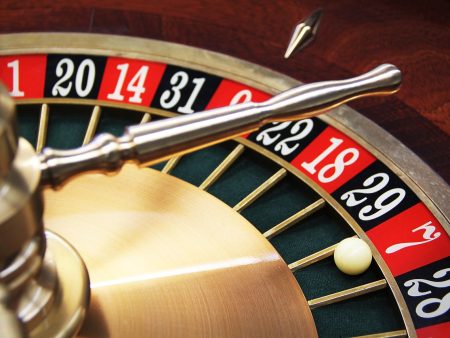
A harmless flutter can change character long before the stakes look dramatic.
A quick bet during a match becomes another deposit, then another hour scrolling in-play markets. Losses begin to feel unfinished rather than spent, creating pressure to recover them with the next wager. That urge to chase is a warning sign, even when each individual stake still seems affordable.
Top Offshore Sportsbook Bonuses for September 2026


$1000 + $10 Casino Chip
New customer offer. First Deposit Bonus Up To $1,000 + $10 Casino Chip.


$750
Get a 150% Sport Free Play bonus up to $750 on your first Deposit up to $500. The minimum deposit is $50.
Online sportsbooks make escalation easy: markets update within seconds, betting is available around the clock, and promotions can make stopping feel like missing an opportunity. These features do not cause every bettor to lose control, but they can weaken limits and prolong sessions. Systems, statistics, “safe” picks, and expert tips cannot remove the bookmaker’s advantage or guarantee profit. Gambling should never be treated as a dependable way to make money; when deposits become repetitive or losses dictate the next decision, the priority is regaining distance—not finding a better strategy.
What responsible gambling actually means
Responsible gambling treats a sportsbook wager as paid entertainment, not an income plan or a way to repair earlier losses. Every stake must be considered fully expendable before the bet is placed; even an apparently safe favorite can lose.
Control is the practical test. A bettor should remain able to:
- pay bills and meet savings commitments without gambling money;
- keep betting within preset time and spending limits;
- stop when a limit is reached, whether ahead or behind;
- walk away without borrowing, hiding activity, or chasing losses.
Deposit limits, time reminders, cooling-off periods, and self-exclusion can add friction at useful moments. They reduce risk rather than make betting safe. No safeguard can guarantee that gambling will remain harmless.
Not gambling at all is the safest choice, especially when betting causes stress or feels difficult to stop. Anyone who participates must meet the legal gambling age and use sportsbooks permitted in the relevant jurisdiction. Local law—not an operator’s availability—determines whether participation is allowed.
Set the loss limit before opening the sportsbook
-
Choose the budget period
Use a fixed span, such as one week or one month, that matches the household budget.
-
Protect every obligation first
Cover housing, food, utilities, transport, insurance, minimum debt payments, and planned savings. Money reserved for emergencies, purchases, or other goals remains unavailable.
-
Check what is genuinely disposable
Only part of the remaining entertainment allowance should be considered. A practical method for setting a gambling budget without risking bills is to choose an amount whose complete loss would not affect any other spending.
-
Record one total loss limit
Write down the maximum that may be lost across all sportsbooks during the period. Deposits, bets, and losses should be tracked against that single figure.
-
Treat the limit as final
Once the amount is lost, betting stops until the next budget period. Winnings, promotions, or a near miss do not justify adding more money.
Do not borrow, use credit intended for essentials, delay debt payments, or transfer money from bills, savings, emergency funds, or other goals. If no disposable entertainment money remains, the gambling budget is zero.
Give every limit a specific job
Limits work best when each has one job. A deposit limit restricts how much enters an account; it is a funding brake, not proof that the full amount is safe to bet. A wager limit caps total stakes, controlling turnover even when winnings are repeatedly recycled.
A loss limit sets the maximum net amount that may be lost, while a session limit ends play after a fixed time or number of bets. All four should be configured before logging in, ideally through the sportsbook’s built-in controls. Pregame excitement, a near miss, or a winning streak can make an unreasonable extension feel justified.
Keep one record across every account
A spreadsheet or notes app can provide a reliable routine for tracking losses across multiple sportsbooks. Update it after each session with:
- deposits and completed withdrawals;
- total stakes and settled returns;
- promotions, free bets, and bonus winnings;
- current cash balance and net result.
Use net result = completed withdrawals + current withdrawable cash − deposits. Keep stakes separately, since high turnover does not necessarily equal a large loss.
Bonus balances should not be counted as cash until wagering requirements are met. Pending withdrawals also need a separate column: subtracting them from the visible balance without adding them to completed withdrawals can make losses appear larger than they are. A weekly reconciliation against account statements catches omissions and prevents one sportsbook’s win from hiding another’s loss.
Put time and distance around every session
Money limits work better when paired with time limits. A session should be scheduled in advance, with a firm finishing time and an alarm set somewhere outside the sportsbook app. When time expires, the session ends—even if a match is unfinished or a result feels close.
Push notifications, promotional emails, odds alerts, and “boost” messages can turn an unplanned moment into a deposit. Disabling them reduces prompts to reopen the app. Keeping several gambling-free days each week also prevents betting from becoming an automatic part of watching sport.
Betting should be avoided when judgment is affected by alcohol, drugs, exhaustion, anger, stress, or excitement after a win. These states can weaken limits and make chasing feel reasonable.
Complex bets and rapid markets deserve extra caution. Same-game parlays can hide how outcomes interact, while live betting and quick-settlement markets allow many wagers in minutes. Faster decisions usually mean less time to notice total spending.
Ask three questions:
Affordability: Can the full stake be lost without affecting the period-wide limit? Understanding: Are the odds, rules, and possible payout clear? Acceptance: Will the loss be accepted without another bet to recover it?Any uncertain answer means the wager should be skipped.
Three beliefs that turn losses into bigger losses
A losing streak does not make the next bet more likely to win.
Treating a result as “due” is the gambler’s fallacy that makes sports betting riskier. Each wager must be judged on its own odds and circumstances.
Earlier outcomes matter only when they reveal relevant new information, such as an injury.
A past loss alone does not improve the next wager. Using it as a reason to bet again turns ordinary variance into loss-chasing.
Knowledge may improve judgment, but it does not automatically remove the bookmaker’s margin.
Confidence can make larger bets feel justified after a loss. The absolute rule is simple: never increase stakes or redeposit to get even; instead, follow steps for stopping a loss chase before it escalates.
When a lapse becomes a pattern
A trigger-driven urge can appear before broader harm is obvious. Live games, alcohol, payday, boredom, stress, or a recent loss may prompt automatic betting.
Use a prepared interruption: close the sportsbook, leave the viewing situation, block deposits, wait at least 30 minutes, and contact a trusted person. More practical ways to interrupt gambling urges can help turn a vague intention into a repeatable plan.
When limits are no longer enough
A short cooling-off period may interrupt impulsive betting. If accounts are reopened quickly, limits are repeatedly changed, or betting moves elsewhere, self-exclusion is the stronger next step. Exclusion should cover every accessible sportsbook, including separate operators that do not share exclusion systems.
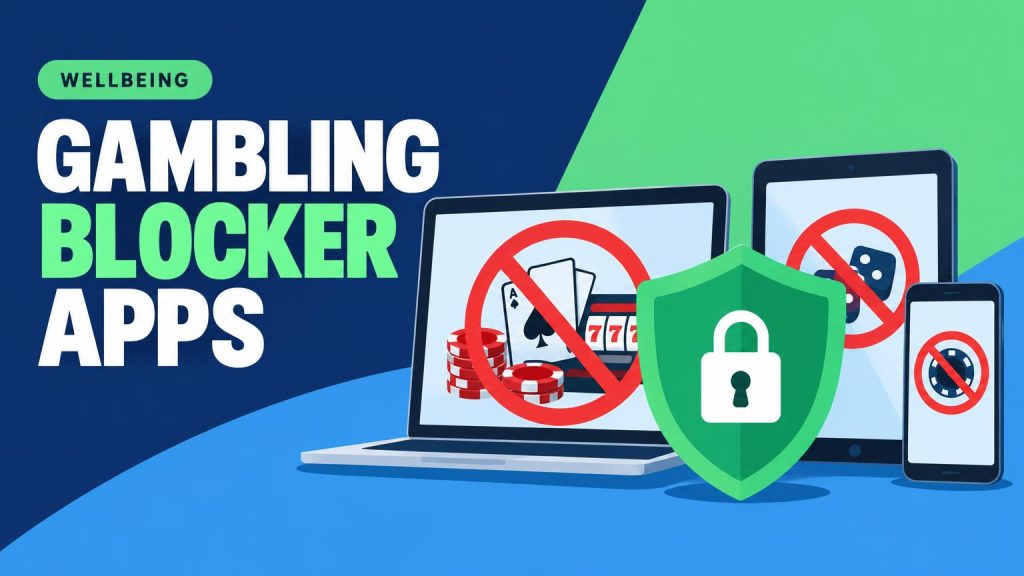
Barriers work better in layers. Gambling-blocking software can restrict access across phones and computers, while bank gambling blocks can stop many card deposits. A trusted person may also help secure passwords, review statements, or manage essential payments—with clear consent and without taking over more than necessary.
Loved ones should raise specific observations calmly: missed bills, hidden accounts, or repeated borrowing. Practical guidance on supporting someone without enabling further gambling emphasizes firm boundaries. That means protecting shared finances and declining to fund bets or pay gambling debts, since repeated bailouts can remove consequences without changing the behavior.
When urges, distress, or financial harm feel unmanageable, professional help is appropriate. A gambling helpline can provide immediate confidential guidance, treatment referrals, and advice for family members.
Gambling helplines support gambling-related distress, but they are not emergency responders. If there is immediate danger, a suicide plan, threatened violence, or inability to stay safe, contact local emergency or crisis services immediately and remain with the person when safe to do so.



Make the stopping rules automatic
-
Write one clear pledge
Record the money and time limits, the review date, and the action that follows a breach.
-
Define a breach
Count extra deposits, extended sessions, and attempts to recover losses—not just large losses.
-
Name the red lines
Borrowing to bet, hiding activity, or repeatedly breaking limits must trigger escalation.
-
Preselect the response
Choose a fixed timeout for one breach; use self-exclusion or outside support when a red line appears.
-
Make it visible
Save the plan beside login details and share it with a trusted person who can challenge rationalizations.
Responsible gambling is shown through repeated action, not good intentions. Limits only work when they are honored; weakening control is a signal to step away, not renegotiate.
A written trigger removes debate in a pressured moment. If the plan keeps failing, stronger barriers and professional or confidential gambling support are the responsible next step.