BetUS
Relief does not have to come from a bet.
A live score flashes on a phone just as a rough workday ends. Suddenly, placing a bet feels like the quickest way to shake off the day. That feeling can be strong without requiring an immediate decision.
For the next ten minutes, the account can stay closed. Silencing the alert, putting the phone down, and walking into another room creates a little distance from the trigger. The aim is not to argue the urge away; it is to let the moment pass without risking money. If the thought returns when the timer ends, another ten-minute pause is still an option. Waiting counts, even when the urge feels uncomfortable.
Put the bet out of reach
-
App or tab closed
The betting screen goes away first, even if a decision feels unfinished. An open bet slip makes it easy to act before the craving has eased.
-
Alerts silenced
Odds updates, promotions, and game notifications can pull attention straight back. Muting them for the rest of the day removes one easy route back to the app.
-
Screen left behind
A short walk to another room, with the phone left on a table, adds a physical break. The aim is distance from the next tap, not an instant change of mood.
-
Ten-minute timer started
Until it rings, no checking scores, browsing odds, or deciding whether to gamble. A timer gives the pause a clear end without requiring an answer while the urge is strongest.
Thoughts such as “just check the odds” are easier to follow when the app is one tap away. Closing it is a practical first move; reasons for staying away can wait until the timer ends.
Ground the urge, then do one ordinary task
A gambling urge can make a bet feel like something that must happen now. That feeling is real, but it is not an instruction. For the first minute, the aim is to notice what is happening without deciding whether to gamble.
Plant both feet on the floor and press them down gently. Name five things in sight, four things that can be felt, and three sounds. The details can be ordinary: a chair leg, the floor under a heel, a passing car. If attention jumps back to the bet, return to the next thing that can be seen, felt, or heard.
Top Sportsbooks for November 2026
BetUS

Everygame Sports
Then set a ten-minute timer and wash the dishes. Warm water, the weight of a plate, and the simple sequence of rinsing and drying give the hands and attention somewhere else to go. A kitchen timer works if the phone has been left in another room.
At the bell, the urge may still be there. Success is ten minutes without placing a bet, not a promise that the feeling has vanished. If it still feels hard to resist, another short pause or a call to a trusted person can keep the next few minutes safer.
Make the next bet harder to place
A ten-minute pause can get someone through an urge, but it does not change what happens the next time the app opens. If the same app keeps drawing someone back, it helps to add barriers that remain in place after the phone comes back into reach.
- Remove easy payment routes. Delete saved cards and payment methods from gambling accounts, and check whether a phone wallet can still fill them in. This adds a step between an urge and a deposit.
- Cut off prompts. Turn off gambling emails, texts, and app notifications, then unsubscribe from promotional messages. Removing an app can help too, though reinstalling it may still be easy.
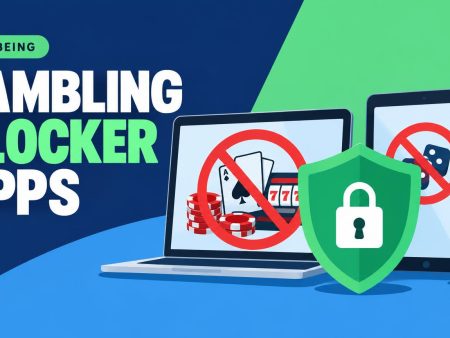
- Block access. Gambling blocker software can restrict access to betting sites and apps across a device. Check which devices it covers, how long a block lasts, and whether it can be easily switched off before relying on it.
- Use account controls. Where offered, deposit limits, time-outs, and self-exclusion can put a stronger boundary in place. A time-out is temporary; self-exclusion generally lasts longer and may involve a formal request. Terms vary by operator and location, so check when each restriction takes effect.
When limits on one account still leave other betting options open, broader self-exclusion schemes may be available locally. The useful barrier is one that still holds when the next urge arrives.
Match the response to the trigger
A barrier can stop a bet, but the situation that sparked the urge may still be there. A response chosen before that situation comes up is easier to use than one invented in the moment.
- Sports coverage: If odds or betting talk in a feed starts the urge, mute those accounts and follow coverage that sticks to scores, highlights, or analysis. The aim is to keep the sport without the constant invitation to wager.
- Payday: Schedule bill payments and transfers to savings for soon after income arrives. Money already directed toward planned expenses is less likely to feel like spare betting money.
- Boredom: Pick one activity in advance, such as a walk, a game without purchases, or a film already queued. A specific option is easier to start than a vague plan to “keep busy.”
- Stress: Send a brief message to a trusted person or step outside for a few minutes. Neither has to solve the problem; both interrupt the rush to bet.
A short note after an urge—what set it off, what response was tried, and whether it helped—can reveal repeat patterns. The next time that trigger appears, there is already a plan to reach for.
After a loss, leave the numbers alone
A loss can make another bet feel necessary, as though the right odds could put the balance back where it was. Checking prices or refreshing the account keeps that possibility in view. Neither check changes the money already lost, and a loss creates no obligation to keep gambling.
The immediate step is to stop checking odds and balances. Do not add funds, even a small amount framed as one last chance to get even. Closing those screens can help break the cycle of chasing losses long enough for the urge to ease.
The loss may still need attention, especially if it affects a bill. Postpone the financial review until the urge has eased, then check the amount lost and what remains for essentials away from betting apps. If a payment is due immediately, address that payment directly rather than trying to win its cost back.
A later look at the budget is a money task, not a reason to revisit the odds.
When an urge needs another person
A pause or a blocked app may not be enough when an urge keeps returning. Company can help make the next hour less isolated: a walk, a phone call, or simply sitting with someone while the urge passes. The trusted person does not need to fix the problem or know every detail.
A short text can make the first step easier: “Free for a 20-minute call? A betting urge is strong, and company would help.” If the person is unavailable, another trusted contact or a gambling support service is worth trying. Asking for help staying away from betting is enough; a full explanation can wait.
When urges recur, or gambling is affecting money, sleep, work, or relationships, confidential gambling support can offer a place to talk through what is happening and consider next steps. A local gambling helpline can also help someone find ongoing support. Reaching out does not require waiting for a crisis.
Write down what works while the urge is quiet
After the urge eases, a short note can turn a useful response into a plan for next time. It needs four things: the trigger, two steps to take first, one barrier to placing a bet, and a person or service to contact if the steps do not help.
For example: “Payday is a trigger. Close the betting app, then spend ten minutes washing dishes. Remove the saved payment card. If the urge continues, text a trusted friend or contact a confidential gambling support service.” Keeping the note somewhere easy to find spares a person from having to invent a response in the middle of an urge. If a step proves impractical, it can be changed when things are calm.
Top Sportsbooks for November 2026
BetUS