BetUS
The deposit button is instant. The payment behind it may not be.
A bettor taps Deposit with enough money in the bank, only to see a decline. The bank may block gambling transactions, or the payment processor may reject a cross-border charge. An available balance does not guarantee that a particular payment will be approved.
Even when a deposit works, the sportsbook’s displayed balance is an account record, not cash moving between banks in real time. A withdrawal adds another set of steps: the operator may check the account and payment details before sending funds through a card network, bank transfer, or other provider. Processing schedules, weekends, and intermediary banks can turn an approved withdrawal into a wait of several days.
What “offshore” means for payments
An offshore sportsbook is based or licensed outside the customer’s jurisdiction. That describes a cross-border relationship, not permission to accept bets or payments from every location. The offshore sports betting industry includes operators under different licensing arrangements, while the rules affecting a transaction also depend on where the customer is located.
The balance shown on a sportsbook account belongs to the operator’s betting ledger. It records deposits, wagers, winnings, and adjustments; it is not a bank account in the customer’s name. Banks, card issuers, processors, and other payment providers move the money. A settled bet can change the displayed balance immediately, even if a withdrawal must pass separate checks before funds leave the site.
Top Sportsbooks for November 2026
BetUS

BetNow

MyBookie

Bet105

BUSR Sports

Everygame Sports

BetOnline

BetWhale

BetAnything

Xbet

Bovada

Bookmaker
Payment acceptance depends on the customer’s location and identity, the operator’s license, applicable restrictions, and the rules of each provider in the route. The payment method and transaction details can matter too. A deposit option appearing on a site therefore does not guarantee that a customer’s bank will approve it—or that the same route will be available for a withdrawal.
Who handles a sportsbook deposit?
A deposit passes through more than the sportsbook’s website. The customer’s bank or card issuer decides whether to authorize the payment. A payment processor passes transaction details between systems, while an acquiring bank receives card payments on the merchant’s behalf. If the customer uses an e-wallet instead, the wallet provider handles the transfer under its own rules. The sportsbook credits the betting account after its cashier receives confirmation; the account balance is not itself a bank deposit.
Some sportsbooks run the cashier through a separate company or platform. That company may select the processor, hold the acquiring relationship, or appear as the merchant of record. Consequently, the name on a bank statement can differ from both the payment provider shown at checkout and the sportsbook brand. Such differences can reflect an ordinary third-party arrangement, though an unfamiliar charge is still worth checking against the deposit receipt and transaction date.
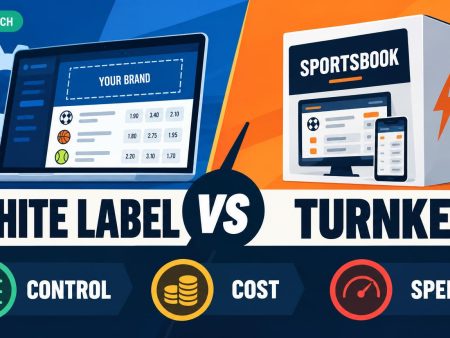
The setup also affects who can investigate a failed payment: the sportsbook sees the betting account, but the cashier or provider may hold the transaction reference needed to trace it. These divisions of responsibility are among the operational trade-offs of white-label and turnkey platforms.
From payment choice to account balance
-
Choose a method
The customer selects a card, wallet, bank transfer, or another available option in the cashier. That screen may be supplied by software providers for a new sportsbook brand, while a separate payment company handles the transaction.
-
Check the amount
The cashier shows the proposed deposit and may display a conversion rate or processing fee. A bank or wallet can apply its own conversion rate or charge, so the amount leaving the customer’s account may differ from the sportsbook credit.
-
Request approval or start a transfer
For a card, the processor requests authorization from the issuer. An approval means the issuer has permitted the charge, not that the sportsbook has received settled funds. A bank transfer instead starts a movement of funds that may take longer to confirm.
-
Handle a decline or pending payment
An issuer or processor can reject a card deposit before any balance is added. A transfer may remain pending while the payment provider checks whether the funds have arrived.
-
Credit the sportsbook account
Once the cashier receives sufficient confirmation, it records a credit in the sportsbook’s internal balance. Depending on the method, that credit can appear before final settlement between the payment companies.
Authorization permits a payment, settlement moves funds between financial parties, and crediting updates the sportsbook balance. A visible balance does not, by itself, show that settlement is complete.
Where cross-border payments stall
A deposit crossing a border can face several checks before the sportsbook sees a result. A card issuer may assess the merchant category, country, fraud signals, and its own gambling policy. Some banks block gambling transactions even when the customer has funds; a processor or acquiring bank may also refuse the charge under its own rules.
Bank transfers have a different path. The sending bank may screen the payment, while an intermediary bank may be needed to reach the receiving bank. An institution along that route can request more information, return a transfer, or apply a fee. A transfer that has left the sender’s account has not necessarily reached the sportsbook’s payment provider.
Currency adds another variable. When the payment method and merchant use different currencies, a bank or payment provider may convert the amount at its own rate and add a spread or fee. Local rules in either country can restrict a payment method or require additional identity checks, regardless of what the sportsbook cashier displays.
A generic “declined” message identifies the outcome, not who made the decision. A customer can check the bank’s transaction notice and ask the sportsbook which provider handled the attempt, but neither side may see the other’s full reason code.
The same message can reflect a bank policy, a provider’s rule, or a failed risk check. It does not, on its own, establish why the payment failed.
How payment methods differ
A sportsbook cashier may offer several deposit methods, but each follows a different route. The available choices depend on the sportsbook, the customer’s location, and the payment providers involved. None bypasses a bank’s or provider’s restrictions.
| Method | Who handles it | Confirmation and delays | Reversibility |
|---|---|---|---|
| Card | The card network connects the issuer, processor, and acquiring bank. | Authorization can be quick, even though settlement takes longer. An issuer or processor may decline the charge. | A disputed charge may be reversed through the card system, subject to its rules. |
| Bank transfer | The sending bank, receiving bank, and sometimes intermediary banks move the funds. | Domestic transfers may arrive quickly; cross-border transfers can take days, especially when screening or currency conversion is involved. | A completed transfer is generally harder to reverse than a card charge. A recall request is not guaranteed to succeed. |
| E-wallet | A wallet provider sits between the customer’s funding source and the sportsbook. | Wallet payments may appear promptly, but adding funds to the wallet or withdrawing them can take longer. | Disputes and refunds depend on the wallet’s terms and the original funding method. |
| Cryptocurrency | A wallet and blockchain network move the asset; an exchange or payment service may also be involved. | Network confirmation times vary, and the sportsbook may wait for additional confirmations before crediting the balance. | A confirmed transfer generally cannot be recalled through the network. |
A fast deposit credit is not a promise of a fast withdrawal. Cashing out may require identity checks and may use a different route from the deposit.
What happens after a withdrawal request
A withdrawal is a new outgoing payment, not a deposit in reverse. The sportsbook may use a different route to send money than it used to receive it, depending on its rules and available providers. A successful deposit does not guarantee an equally quick payout.
First, the sportsbook reviews the request. It may check the withdrawable balance, unsettled bets, bonus restrictions, and minimum payout amounts. Identity checks or proof that a payment account belongs to the customer can hold a request here even when the displayed balance looks sufficient.
After approval, the sportsbook passes the payout to a payment provider or wallet partner. That provider may perform its own checks, convert currency, or queue the transfer. A cashier status of “approved” may mean only that the sportsbook has cleared the request—not that the money has arrived.
The receiving bank or wallet then has to accept and post the payment. Intermediary screening, banking hours, or incorrect account details can delay it or send it back. When a payout stalls, the useful question is where it last moved: still under sportsbook review, with the payout provider, or awaiting delivery. Before release, the sportsbook is the point of contact; after dispatch, a transfer reference may help trace it.
Why cashier options change by location
A sportsbook’s license determines where it is regulated, not where every customer may place bets or move money. The location and license of an offshore sportsbook do not override rules in the customer’s jurisdiction. An operator may therefore block registrations or payments from a particular country, state, or province even if the transaction is technically possible.
Identity and location checks affect what appears in the cashier. A card processor might accept verified residents of one country but not another. Accessing an account while traveling may prompt another review; changing an address or using a VPN does not make a restricted payment permissible.
Anti-money-laundering checks can also delay access to a method or a payout. A sportsbook may request identification, proof of address, or evidence of where deposited funds came from. A mismatch between the betting account name and the payment account name may require review.
Payment providers impose their own country, merchant, and payout restrictions. A method offered for deposits may not be available for withdrawals.
Check withdrawal methods and document requirements for the account’s actual location. A successful deposit does not establish payout eligibility.
-
Confirm location and eligibility
Check whether the sportsbook accepts customers in the bettor’s location and whether local rules permit the activity. A license issued elsewhere does not, by itself, establish permission to use the service.
-
Identify the payment providers
Read the cashier terms for the processor, wallet, or payout provider involved, and note any statement descriptor. The name appearing on a bank statement may differ from the sportsbook’s name.
-
Calculate the amount that will arrive
Compare sportsbook fees with charges from the bank, card issuer, or wallet. If currencies differ, check who sets the exchange rate and whether the displayed deposit amount includes conversion costs.
-
Read deposit and withdrawal terms separately
A successful deposit does not guarantee a withdrawal through the same method. Check payout minimums, identity requirements, available destinations, and stated processing times before relying on a balance for withdrawal.
-
Trace a stalled payment by stage
Keep the transaction reference and find out whether the payment is awaiting sportsbook review, sitting with a processor, or already sent to a bank or wallet. Direct the inquiry to the institution handling that stage.
A cashier option is only the start of a payment route. Eligibility, costs, and payout conditions need their own checks; when money stalls, the most useful question is where it last reached, not simply whether the sportsbook approved it.
Top Sportsbooks for November 2026
BetUS
BetNow
MyBookie
Bet105
BUSR Sports
Everygame Sports
BetOnline
BetWhale
BetAnything
Xbet
Bovada