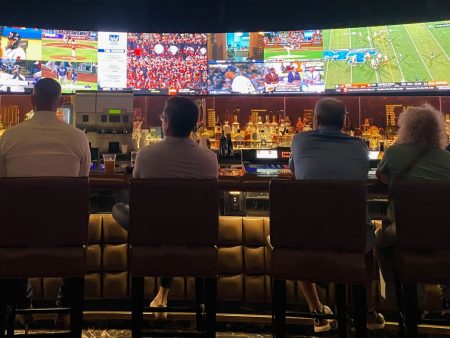
The urge to break even is not a strategy; it is a warning.
A player loses £50, closes the app, then reopens it minutes later because the result feels somehow unfinished. One more wager appears to offer relief: recover the money, erase the mistake, end the session properly.


$2,750
200% Crypto Bonus PLUS 10% Gamblers Insurance with a minimum $100 deposit and a maximum of $1,500. Use Code: JOIN200 in the Cashier.

But the original loss does not make the next bet more likely to win. It only adds urgency, making larger stakes and weaker decisions feel reasonable. Any bet whose purpose is recovery is the signal to stop. Logging out, leaving the venue, or moving remaining funds out of reach breaks the loop before a manageable loss becomes an escalating one.
Spot the chase before it gathers speed
Chasing often begins quietly. A planned final bet becomes “just one more,” stakes rise without a clear reason, or money set aside for something else moves into the gambling balance. The key change is purpose: the next wager is no longer entertainment but an attempt to repair the previous result.
Common early signs include:
- increasing stakes to recover losses faster;
- extending a session beyond the planned stopping time;
- making rushed bets on unfamiliar games or events;
- repeatedly checking balances, odds, or results;
- feeling tense, angry, ashamed, or unusually determined;
- treating a break as impossible until the money is recovered.
A loss does not make the next bet more likely to win. Each independent game or draw keeps the same underlying odds, regardless of what happened moments earlier. It helps to recognize the gambler’s fallacy: a run of losses can feel as though it must soon be “balanced” by a win, but chance has no memory.
Even one or two warning signs justify an immediate pause. Stopping early is not an admission of failure; it prevents a temporary loss from becoming a larger financial and emotional problem.
Use a five-minute shutdown
-
End the session
Close every gambling app or site without checking other markets. Do not place a final “small” bet.
-
Activate a cooling-off lock
Use the operator’s time-out or self-exclusion setting for the predetermined period—ideally at least 24 hours. Block every account normally used, not just the one showing the loss.
-
Move accessible betting funds
Withdraw any available balance and transfer spare money away from the account linked to gambling. Leave pending wagers alone rather than trying to offset them elsewhere.
-
Protect essential money
Move rent, bills, food, and transport money into a separate account if possible. Bank gambling blocks and lower transfer or card limits add useful friction.
-
Make reopening harder
Log out, remove saved payment methods, uninstall apps, and enable a website blocker. A trusted person can be told when the cooling-off period ends, adding accountability without sharing passwords.
The aim is not to feel calm first; it is to remove access while the urge is still strong.
Credit, overdrafts, payday loans, and money reserved for essentials turn a gambling loss into a wider financial problem. If essential money has already been used, gambling should remain blocked while the shortfall is listed and practical support is sought.
Build barriers before the urge returns
A temporary break becomes more useful when restarting requires several deliberate steps. During the pause, close the easiest routes back rather than relying on motivation alone.
- Account: Set deposit, loss, and session limits at the lowest practical level; withdraw any remaining balance and disable promotional messages.
- Device: Remove apps, log out, delete saved passwords and payment details, and use gambling-site blockers across phones and computers.
- Banking: Activate a gambling-transaction block where available, reduce transfer or card limits, and keep essential-bill money in a separate account.
- Social: Tell one trusted person that chasing has started and arrange a specific check-in. Passwords or full financial control need not be shared.
Deposit caps and short time-outs are reversible, so they may be too weak when limits are repeatedly raised, new accounts are opened, or every pause ends in another chase. At that point, use self-exclusion to block further betting, ideally across every operator used; multi-operator or regulator-backed schemes may offer broader coverage.
Exclusion deserves serious consideration after borrowing, hiding losses, missing bills, or feeling unable to stop once betting begins. Choose the longest realistic period and pair it with bank blocks and support, because exclusion alone may not cover unlicensed sites or new payment routes.
The excuses that keep a chase alive
A completed loss is a sunk cost: further betting cannot repair it; it can only create a new risk.
Stopping may feel like accepting defeat, but it protects the money, time, and judgment still intact. The useful question is not “How can this be won back?” but “How much more damage can be prevented now?”
Turn the worry into numbers
After a loss, financial anxiety often feels larger than the actual figures. A one-time inventory replaces repeated balance checking with a fixed snapshot: money currently available, bills due before the next income date, debt minimums, and essential living costs.
List the figures without adding expected winnings or possible refunds:
- Cash and bank balances
- Rent, utilities, food, transport, and medication
- Minimum loan and credit-card payments
- Income that is confirmed, with its arrival date
Essentials and minimum obligations come first. Any shortfall can then be addressed directly—by contacting a creditor, requesting a payment plan, or seeking free debt advice—rather than being handed back to chance. Losses already incurred should remain outside the calculation; they are not a bill that gambling must repay.
Future gambling, if it resumes, works best as fixed entertainment spending within broader responsible sports betting habits. The amount is chosen only after necessities and savings, set before play, and never increased because a previous session ended down. A useful test is simple: if losing the full allowance would affect a bill or trigger a need to win it back, the allowance is too high—or should be zero.
Handling common relapse triggers
What helps when the urge suddenly peaks?
Delay any decision for 20 minutes and change location—walk outside, shower, or sit near other people. These simple ways to manage the urge to keep gambling create distance until the peak passes.
What if a promotion arrives?
Name it plainly: “This bonus is a trigger, not free money.” Delete the message, unsubscribe, and close the app before examining the offer.
What if friends are betting?
Use a prepared response such as, “Not betting tonight,” then mute the chat or leave the setting. Contact someone supportive if social pressure keeps building.
What stops repeated thoughts about the loss?
Label the thought as loss-chasing rather than a plan. Choose an absorbing activity with a clear next step—cooking, gaming, exercise, or a film—and stay with it for 30 minutes.
Do not negotiate with it alone. Contact a trusted person immediately, move away from money and devices, and strengthen account or payment blocks.
When self-help is no longer enough
A fresh self-directed reset is unlikely to be enough when limits are repeatedly removed or ignored. Outside support is warranted if gambling involves secrecy, borrowing, missed rent or bills, conflict, disrupted sleep or work, or persistent anxiety and shame. Repeatedly returning to recover losses after failed stop plans is another clear signal.
Match help to the problem
- Personal: Tell a trusted person what has happened and ask for regular check-ins or practical help protecting money.
- Gambling: Contact a national gambling helpline, local treatment service, licensed counselor, or peer-support group. A family doctor can also provide referrals.
- Debt: Speak with a reputable nonprofit debt adviser before taking another loan or using credit for essentials.
Act before another deposit
Start self-exclusion, delete gambling apps, ask the bank to block gambling payments, and move bill money to a protected account. Share the plan with the trusted person immediately; secrecy makes every barrier easier to reverse.
If gambling losses bring thoughts of suicide, self-harm, or immediate danger, contact local emergency services or a crisis line now. Stay with a trusted person and move away from gambling access, money, weapons, or other means of harm.
Seeking help is not an admission that losses must be recovered. It protects what remains and replaces another wager with secured essentials, firm barriers, and human support.