You’re probably in the same spot as most US bettors right now. You open one article and it says online gambling is legal. You open another and it says your state blocks half the options you want. Then you see offshore books like MyBookie, BetUS, Bookmaker.eu, Heritage Sports, BUSR, Xbet, Bet105, Cosmobet, and BetAnything still taking action from US players every day.
That confusion is normal. The phrase legal us online gambling sounds simple, but the market is anything but simple. State rules differ. Payment systems get picky. Some states allow sports betting but not online casino play. Others offer almost nothing. Meanwhile, millions of bettors stop caring about the legal jargon and focus on what works.


$1000 + $10 Casino Chip
New customer offer. First Deposit Bonus Up To $1,000 + $10 Casino Chip.


$750
Get a 150% Sport Free Play bonus up to $750 on your first Deposit up to $500. The minimum deposit is $50.
My view is straightforward. If you want an accurate picture, stop thinking in black-and-white terms. The US market has a legal side and a massive offshore side, and bettors move between those realities based on access, payouts, limits, bonuses, and convenience. If you ignore that, you miss how this market operates.
The Confusing World of US Online Gambling in 2026
A bettor in New York can place a sports bet from a phone, but cannot get the same online casino access a bettor in New Jersey can. A bettor in Texas may hear nonstop ads about sports betting in America and still have no comparable in-state option. Someone in a restricted state ends up doing what players always do. They look elsewhere.
That is why offshore books remain central to this market, not peripheral.
In the first half of 2025, the total US online gambling marketplace reached $52 billion, and 74% of that market, or $38.7 billion, went to illegal and unregulated operators, according to Fairer Gambling’s first-half 2025 US online gaming briefing. Legal operators accounted for the smaller share.
That number tells you everything you need to know about bettor behavior. Americans are not waiting for every legislature to get organized. They want mobile access, betting variety, and payment flexibility now.
Why the market feels broken
The problem is not lack of demand. Demand is huge. The problem is fragmentation.
Some states built full ecosystems. Some approved only sports betting. Some still lag. Even where betting is legal, product quality can feel restricted compared with what offshore books offer. That gap is where MyBookie, BetUS, Bookmaker.eu, and Heritage Sports keep winning attention.
Three common situations push bettors offshore:
- No local option: Your state has no regulated mobile sportsbook or no online casino.
- Limited product: You can bet sports, but not poker or casino.
- Payment frustration: Card deposits fail, account checks drag, and promos feel weak.
What experienced bettors already understand
Sharp players do not judge a sportsbook by whether it appears in a political press release. They judge it by whether it lets them bet what they want, move money smoothly, and get paid without drama.
Tip: If a site solves access, offers practical crypto banking, and has a long public track record, bettors will keep using it regardless of how messy the legal map looks.
That is the true state of affairs. Not the sanitized version. If you want to approach legal us online gambling, you need to understand both the law and the gray-market habits of bettors.
Understanding the Federal Laws That Shape US Betting
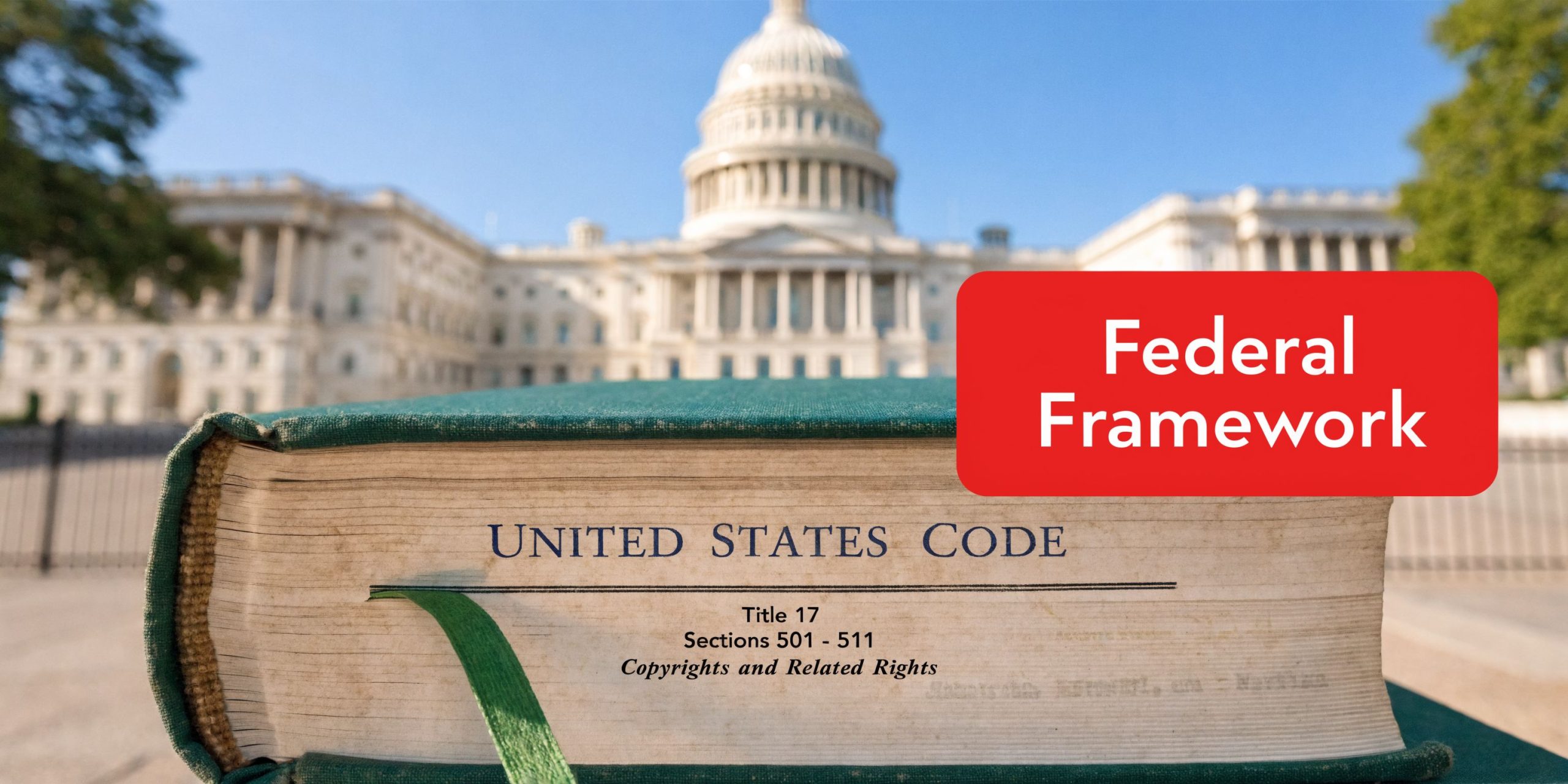
Federal law matters, but not in the simplistic way most guides present it. The big mistake is assuming federal law created one clean national rulebook. It did not. It created guardrails, especially around payments and interstate activity, while leaving a lot of practical power to the states.
What changed after Murphy v. NCAA
The turning point came in 2018. The Supreme Court’s decision in Murphy v. NCAA shifted sports betting regulation to the states. That is the reason the US now has a patchwork system instead of a national ban.
But the federal government did not disappear from the picture. Payment rules still matter. Interstate issues still matter. Anti-money-laundering controls still matter.
According to Microblink’s overview of US online gambling laws, the 2018 decision pushed regulation to the states, while federal laws like the UIGEA still restrict payments connected to unlawful wagers. The same source notes that traditional banking channels decline up to 70% of gambling transactions, which is a major reason offshore books prioritize crypto.
What UIGEA means in plain English
The Unlawful Internet Gambling Enforcement Act is not a “you can’t click a bet” law for individual users. It is more of a banking choke point. It tells financial institutions and processors to avoid handling payments tied to unlawful internet gambling.
That has two practical consequences.
- Banks get cautious: Card deposits can fail even when the bettor thinks the transaction should work.
- Sportsbooks adapt: Offshore sites lean hard into Bitcoin and other crypto because crypto avoids the same friction traditional processors create.
Bookmaker.eu, MyBookie, BetUS, and BUSR all benefit from that reality. Crypto is not just a trendy deposit method in offshore betting. It is often the cleanest route from account funding to withdrawal.
The Wire Act in practical terms
The Wire Act gets mentioned, often without clear explanation. For bettors, the practical takeaway is simple. Interstate sports betting transmission has long been the federal pressure point. That is why regulated operators spend so much effort on geolocation and state boundaries.
Offshore books operate outside that state-licensed framework, which is why they keep emphasizing alternate banking, broad access, and looser product menus.
Key takeaway: Federal law shaped the market by making payment processing harder and by pushing legal betting into state silos. Offshore books responded with crypto, flexible access, and a broader betting menu.
What you should do with this information
If you use offshore sportsbooks, treat payment design as a core safety factor, not a side issue.
Look for:
- Crypto support first: Bitcoin and similar options reduce the friction that hits card users.
- Clear payout instructions: If withdrawal rules are vague, move on.
- Identity checks that make sense: Serious books verify accounts. Total chaos is not a good sign.
A sportsbook that handles banking professionally handles the rest of the operation professionally too.
The Patchwork of State Gambling Regulations
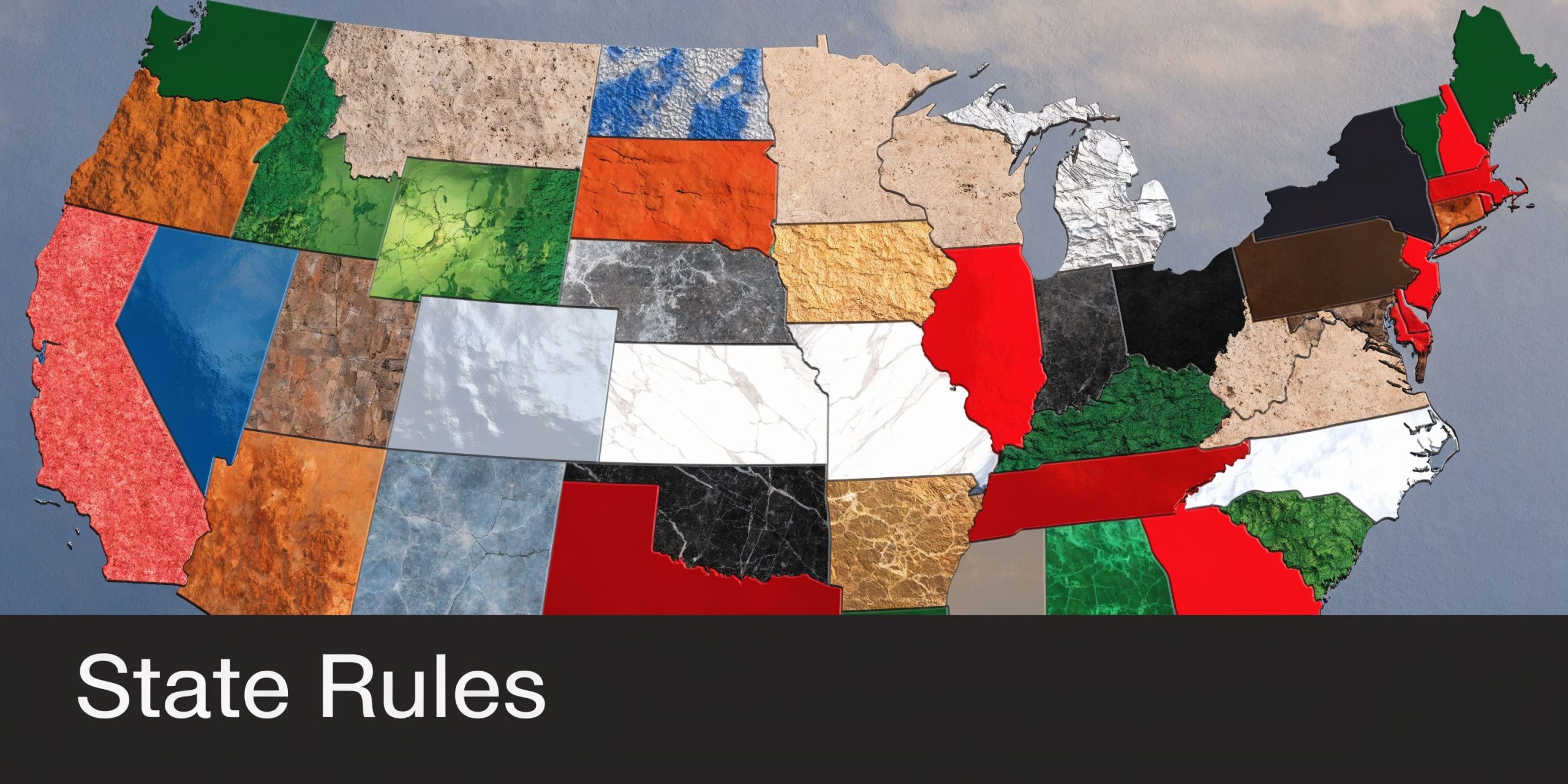
The phrase legal us online gambling breaks down the second you compare one state to the next. There is no uniform player experience. There are different layers of access, different product categories, and different political attitudes toward gambling.
Three different Americas for online bettors
The easiest way to understand the state market is to think in tiers.
The first tier includes states that offer broad online access. These are the places where sports betting, casino gaming, and sometimes poker are all on the table. If you live there, you get the most complete regulated experience.
The second tier includes states that allow sports betting but stop there. At this point, many bettors become frustrated. They can bet the NFL or NBA, but they cannot access the online casino or poker side they want.
The third tier is the dead zone. Either there is no mobile option, the offering is limited, or the legal path is so narrow that players still end up offshore.
That is why sites like Xbet, BUSR, Bet105, and Cosmobet stay relevant. State law does not remove demand. It just redirects it.
The gap that keeps offshore books alive
A lot of headlines celebrate legalization, but that does not mean broad online access exists nationwide.
According to this review of US online gambling regulations, 38 states have legalized sports betting, but only 7 states offer full online casinos. That gap is one of the clearest reasons offshore sites continue to attract US players.
The split matters because many bettors do not want only one vertical. They want a sportsbook, casino, live betting, props, and easy wallet movement in one account. Offshore operators built around that demand years ago.
Public opinion is getting messier
Legal growth has not settled the debate either.
ESPN reported that over half of US adults now live in a state with some form of regulated betting, while 43% of adults in 2025 viewed legal sports betting as bad for society in the same reporting on the legal market’s record growth: ESPN’s report on 2025 sports betting revenue.
That tells you two things at once. The legal market is bigger. The public is also less comfortable with it. Politically, that creates an unstable environment where expansion can stall even while betting demand remains strong.
If you want a cleaner breakdown of where regulated betting is permitted, this page on legal sports betting states is useful for checking the broad state-by-state overview.
Practical read: Your state may be “legal” for one type of online betting and still be useless for the kind of betting you want to do.
How bettors should think about state rules
Do not ask only one question: “Is betting legal in my state?”
Ask better questions:
- What products are available?
- Can I bet from mobile, or only in limited settings?
- Does the legal market cover sports only, or sports plus casino and poker?
- Are payment options smooth enough to be worth using?
That is the mindset serious bettors use. State legality is only the start. Product depth is what drives player decisions.
Why US Bettors Turn to Offshore Sportsbooks
Most bettors do not move offshore because they love legal ambiguity. They do it because offshore books often solve problems the regulated market still has not solved.
Access beats theory
A bettor in a state with no mobile sportsbook wants access. A bettor in a sports-only state wants more than access. That player wants casino games, props, futures, and easier movement between betting products.
That is where MyBookie, BetUS, BetAnything, Xbet, BUSR, Bookmaker.eu, Heritage Sports, Bet105, and Cosmobet get traction. They are available to US players in a way many state systems still are not.
The legal market may be expanding, but according to the same News and Sentinel review of state gambling rules, the biggest structural gap remains obvious: many states still do not offer the full menu players want. Offshore books fill that gap with broader product access and more aggressive promos.
Bigger bonuses still matter
Promotions are not everything, but they matter. Offshore books push harder on deposit matches, crypto bonuses, reloads, and contest-style promos because they compete on value from day one.
That appeals to two types of players:
- New bettors who want a softer landing and more starting bankroll.
- Regular bettors who know that bonus structure affects long-term value.
BetUS and MyBookie are visible in this part of the market because they make welcome offers part of the core sales pitch. BUSR and BetAnything also appeal to players who like a wider promotional mix instead of one flat sign-up angle.
Crypto is not optional anymore
If you bet offshore and still rely only on traditional cards, you are making life harder than it needs to be.
Crypto deposits are one of the strongest practical advantages offshore books offer. They are faster, cleaner, and far more aligned with how these sites are built.
MyBookie, Bookmaker.eu, and BetUS all benefit from players who understand that crypto is the smoothest path in and out.
Recommendation: If you are serious about offshore betting, choose a book with a clear crypto workflow before you compare anything else. A flashy bonus means nothing if banking is a mess.
A regulated sportsbook may cover the basics well. Offshore books aim wider. That includes alternate markets, entertainment lines, niche leagues, futures, and casino integration under the same account.
That matters because many bettors want one ecosystem, not three separate apps.
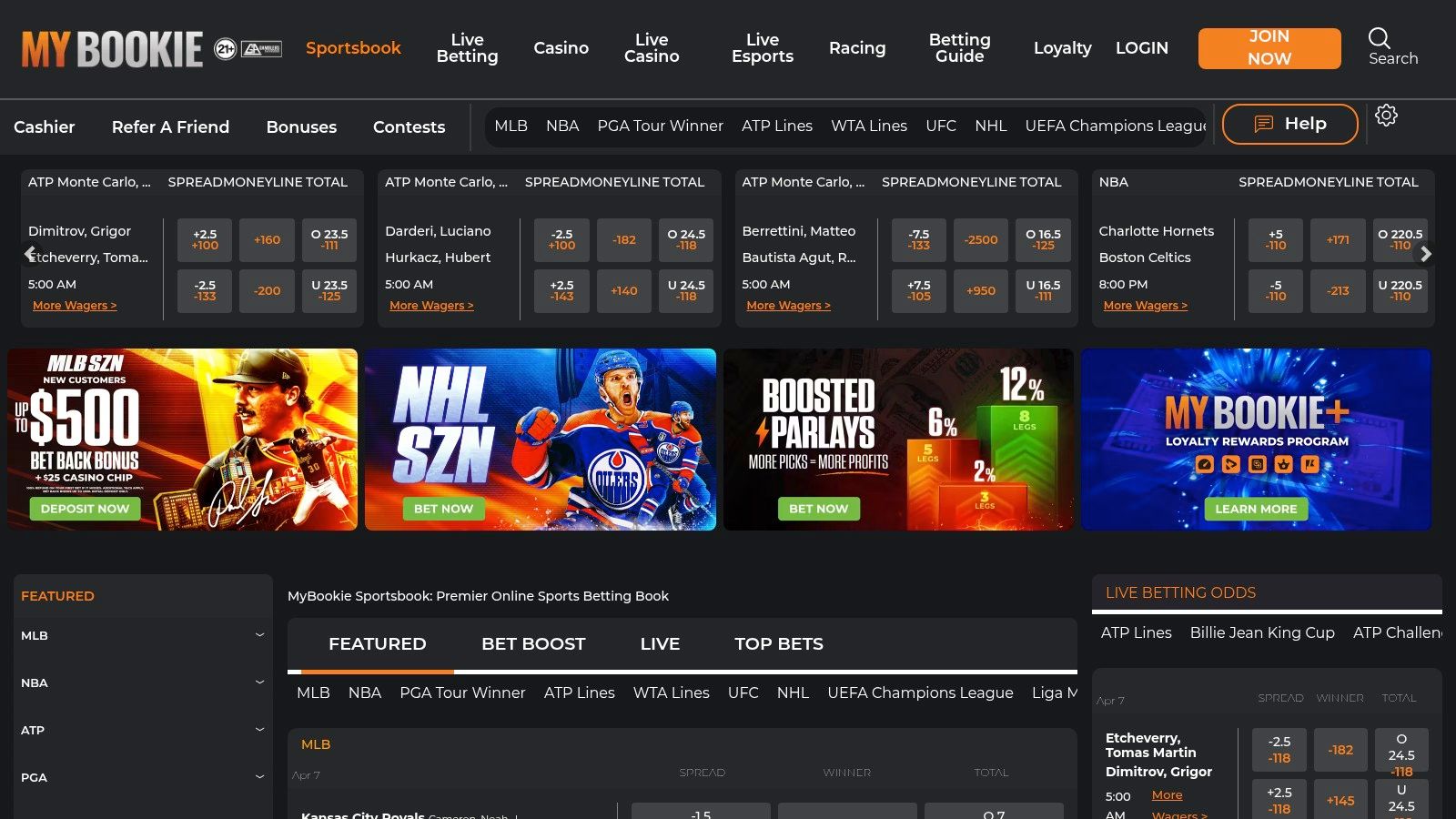
Here’s a closer look at how that experience tends to feel in practice:
Why this is a strategic choice, not just a workaround
A lot of beginners think offshore betting is only for people stuck in restricted states. That is too narrow.
Experienced players often choose offshore books even when they have local legal options because they prefer:
- More flexible payment methods
- Larger bonus menus
- Broader betting markets
- Integrated sportsbook and casino accounts
- A less restrictive overall product
MyBookie works well for the all-around bettor. Bookmaker.eu appeals to players who care about a long-established name. Heritage Sports often attracts traditional sports-first users. BetUS is a common pick for bonus hunters. BUSR, Xbet, Cosmobet, Bet105, and BetAnything can make sense if you want different promo structures or account styles.
The key point is simple. Offshore books are not surviving by accident. They survive because they offer something many US bettors still cannot get easily at home.
How to Choose a Safe and Reputable Offshore Sportsbook
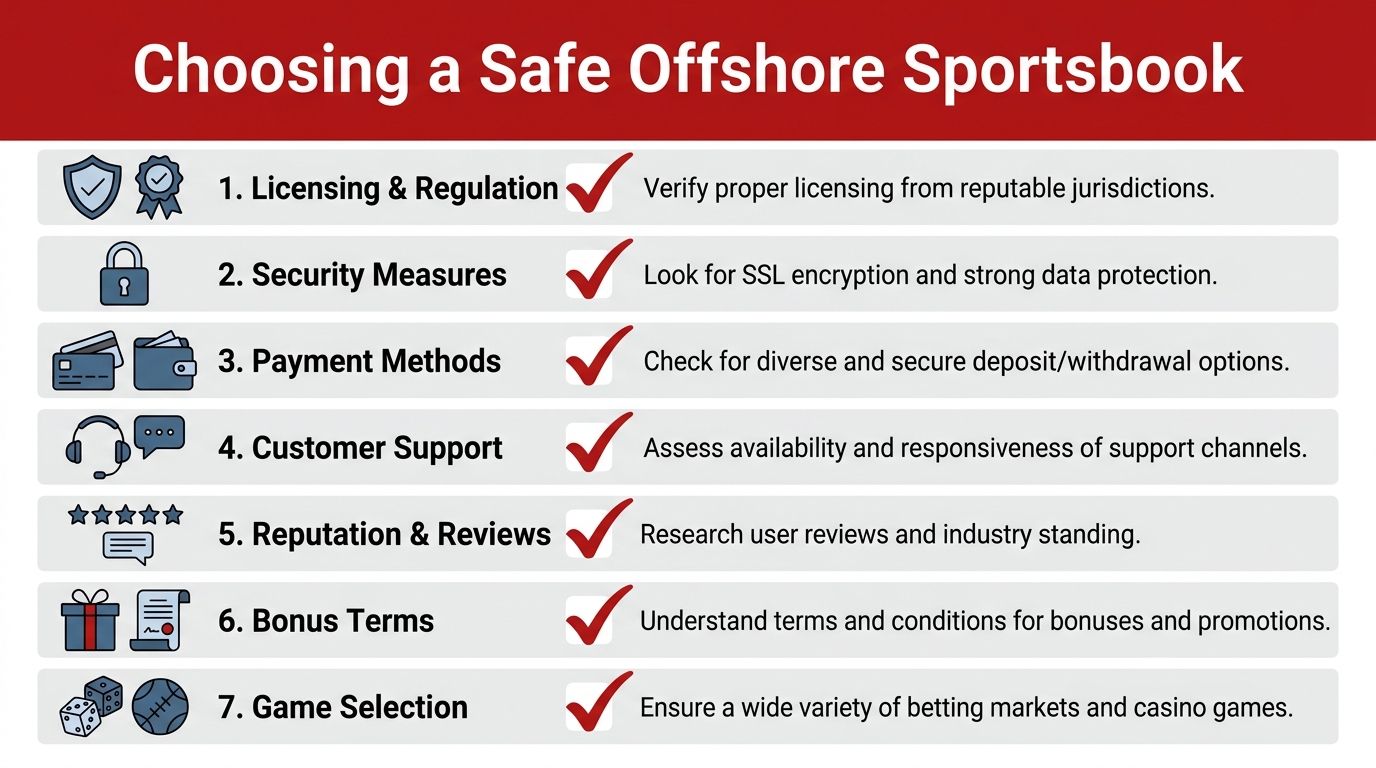
The offshore market has strong options and weak ones. If you treat them all the same, you will eventually pick badly. The smart move is to use a strict checklist and ignore marketing fluff.
Start with reputation, not the bonus
A giant bonus can be useful. It should never be your first filter.
Look at books with a visible history among US players. Bookmaker.eu and Heritage Sports stand out because bettors know the names and discuss them openly. MyBookie and BetUS are also widely recognized, which matters because public reputation is one of the only accountability mechanisms in the offshore space.
If a site feels anonymous, lightly reviewed, or constantly changes identity, skip it.
Check the banking before anything else
A sportsbook can have nice odds and still be unusable if payouts are clumsy. Offshore betting lives or dies on banking.
What I want to see:
- Crypto support: Bitcoin-first books understand their audience.
- Clear cashier rules: Deposit and withdrawal methods should be explained without confusion.
- Reasonable process: Verification is normal. Endless stalling is not.
If the cashier page looks sloppy, I assume the rest of the operation may be sloppy too.
Responsible gambling tools matter
Responsible gambling is one of the easiest signals to miss.
According to the NCPG 2024 state regulation report, states with high responsible gambling standards see 15% to 20% lower problem gambling rates. Offshore books are not bound to those state standards, but the better ones adopt similar tools such as deposit caps, activity reminders, or time controls.
That matters for one reason. A sportsbook willing to give players control tools takes player management more seriously across the board.
Tip: If an offshore book offers limits, session reminders, or self-restriction tools, I count that as a trust signal. Not because it makes the site perfect, but because it shows the operator is thinking long term.
Read the bonus terms like a bettor, not a tourist
Most disputes start here. Players see the headline number and ignore the rules underneath.
Check for:
- Rollover terms
- Eligible deposit methods
- Game or market restrictions
- Withdrawal conditions tied to bonuses
BetUS, MyBookie, BUSR, and BetAnything may all promote bonuses differently. That does not make one better. It means you need to compare the terms to your betting style.
2026 Offshore Sportsbook Comparison
| Sportsbook | Key Feature | Welcome Bonus | Best For |
|---|---|---|---|
| MyBookie | Broad sportsbook and casino mix with strong crypto appeal | Bonus varies by promotion | Bettors wanting an all-in-one account |
| BetUS | Promo-heavy approach and familiar US-facing brand | Bonus varies by promotion | Bonus-focused players |
| Bookmaker.eu | Longstanding offshore reputation | Bonus varies by promotion | Experienced bettors who value track record |
| Heritage Sports | Straightforward sportsbook feel | Bonus varies by promotion | Traditional sports bettors |
| BUSR | Flexible market coverage and promos | Bonus varies by promotion | Players comparing multiple bonus angles |
| BetAnything | Wide betting menu | Bonus varies by promotion | Bettors who want market variety |
| Xbet | Broad offshore access profile | Bonus varies by promotion | Users looking for alternative offshore options |
| Bet105 | Simple offshore sportsbook option | Bonus varies by promotion | Players who prefer a smaller-book feel |
| Cosmobet | Sportsbook and casino crossover appeal | Bonus varies by promotion | Casino-sportsbook hybrid users |
For a current shortlist of reviewed options, safe offshore sportsbooks for 2026 is one practical comparison resource.
My own checklist before I deposit
I keep it simple.
- Public reputation first
- Crypto cashier second
- Reasonable bonus rules third
- Responsive support fourth
- Responsible gambling tools fifth
That order matters. New bettors reverse it and chase the biggest promo first. That is how people end up annoyed, delayed, or stuck.
If I were advising a new player today, I would steer them toward MyBookie or BetUS if they want a broad, beginner-friendly offshore experience, toward Bookmaker.eu or Heritage Sports if they care more about sportsbook credibility and less about flashy marketing, and toward BUSR, BetAnything, Xbet, Bet105, or Cosmobet if they are comparison shopping for fit rather than chasing one brand name.
Risks and Rewards of Betting Offshore
Offshore betting is useful. It is not risk-free. If you want honest advice, you need both sides.
The rewards are obvious
Offshore books remain popular because they offer practical benefits many US bettors care about more than legal theory.
The big advantages are:
- Access: You can bet where local options are missing or limited.
- Crypto banking: Deposits and withdrawals are smoother than card-based gambling payments.
- Broader menus: Sports, casino, props, and niche markets tend to be easier to find.
- Stronger promos: Offshore operators compete harder on bonuses.
For many players, that combination is enough. It is why names like MyBookie, BetUS, Bookmaker.eu, Heritage Sports, and BUSR keep showing up in betting conversations.
The risk is also obvious
There is no state gaming commission standing behind an offshore dispute.
If you have a payout problem with Cosmobet, Bet105, Xbet, or any other offshore book, your protection comes mostly from the site’s public reputation, support quality, and its need to keep attracting customers. That is different from a state-regulated complaint process.
That does not mean every offshore site is dangerous. It means your screening process matters more.
How to reduce your downside
You do not eliminate risk offshore. You manage it.
Here is the practical approach I recommend:
- Start small: Make a modest first deposit and see how the account behaves.
- Test the cashier early: Do not wait until a big win to learn whether withdrawals are smooth.
- Use crypto if possible: It fits offshore systems better.
- Read player feedback: Reputation is a live signal, not a one-time check.
- Avoid obscure books: Established names have more to lose by mishandling players.
Practical rule: Never make your biggest deposit on your first day with an offshore sportsbook. Test the relationship first.
My bottom line
If you want the cleanest legal structure, offshore books are not that. If you want flexibility, broader access, and stronger value, they beat the alternatives.
That is the tradeoff. Most experienced bettors understand it. They are not blindly trusting offshore sites. They are choosing carefully, favoring books with a public history, solid crypto support, and terms they can live with.
Your Offshore Gambling Questions Answered
Is legal us online gambling the same in every state
No. That is the whole problem. One state may allow mobile sports betting, another may allow sports plus casino, and another may offer almost nothing useful online. You have to check your local situation instead of trusting broad national headlines.
Is it illegal for me to use an offshore sportsbook
The legal picture is complicated, but the main pressure in US gambling law has historically focused on operators and payment handling rather than individual bettors. That said, offshore books do not operate inside the same state-licensed framework as domestic regulated operators. If you use one, understand that you are stepping outside the standard state system.
Why do so many bettors still use MyBookie and BetUS
Because they solve practical problems. They offer broader access, bigger bonus culture, integrated casino options, and crypto-friendly banking. For many players, that is more useful than a restricted local product.
Which offshore sportsbooks are worth checking first
Start with well-known names. MyBookie, BetUS, Bookmaker.eu, Heritage Sports, BUSR, BetAnything, Xbet, Bet105, and Cosmobet all come up when bettors compare offshore options. I would prioritize public reputation and payment clarity over flashy homepage claims.
What is the safest deposit method offshore
Crypto is the most practical choice. It tends to align better with offshore cashier systems and avoids a lot of the friction tied to traditional banking.
What should I look at before claiming a bonus
Read the rollover and withdrawal terms. A bonus is only useful if it fits how you bet. If the terms feel cluttered or restrictive, pass on it.
Are offshore sportsbooks only for people in restricted states
No. Plenty of experienced bettors use offshore books because they want broader betting menus, casino access, and better banking options, even when local legal sportsbooks exist.
What is the biggest mistake beginners make
They choose based on bonus size alone. That is backwards. Start with reputation, then payments, then terms. The bonus comes after that.
Should I use one sportsbook or several
Several. Different books fit different needs. One may be better for crypto, another for traditional sports betting, another for casino crossover, and another for promos. Serious bettors compare instead of marrying one logo.
If you’re comparing offshore books and want a practical place to sort through options, USASportsbookList offers sportsbook reviews, bonus comparisons, and state-law guides that can help you narrow down which offshore sites fit your betting style, payment preferences, and risk tolerance.