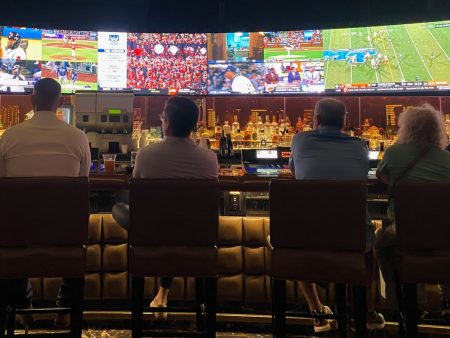
A winning screen can still end with no profit—and the settlement label often explains why.
After the score lands, the selection shows green—but the balance rises only by the original stake. The mismatch is frustrating, but it does not automatically mean the sportsbook withheld valid winnings. The bettor should open the settled slip or transaction history and check whether the wager is marked void, push, canceled, or pending; a green result graphic may not reflect final settlement.
Top Offshore Sportsbook Bonuses for September 2026


$1000 + $10 Casino Chip
New customer offer. First Deposit Bonus Up To $1,000 + $10 Casino Chip.


$750
Get a 150% Sport Free Play bonus up to $750 on your first Deposit up to $500. The minimum deposit is $50.
Then, the exact market rule should be matched to the event. Minimum playing time, participant changes, postponements, dead heats, and obvious pricing errors can change the outcome. Screenshots of the slip, status, official result, and cited rule should be saved before support is contacted. The ruling warrants scrutiny: neither blind acceptance nor an immediate fraud accusation is useful.
Similar labels can produce different outcomes
Void
The wager is cancelled at settlement. A cash single usually returns its stake; in a parlay, the leg is commonly removed and the remaining odds are recalculated.
Push
The selection lands exactly on the posted line, such as a three-point favorite winning by three. It usually behaves like a void, although house rules control the result.
Cancelled or postponed
These describe the event, not necessarily the final bet status. A sportsbook may wait for play to resume within a stated time window before voiding the market.
No action
This is often another label for a void, especially in player props or combat sports. The stake treatment still depends on the market and promotion rules.
Regraded
A settled result is corrected after an error or official-stat change. Balances, parlay payouts, and promotional credits may be adjusted.
Voiding is a settlement action under market rules—not the usual margin described in how offshore sportsbooks make money.
Free bets and promotional credits may not be restored when a selection is voided. In parlays, a void leg commonly becomes odds of 1.00, while a one-leg parlay is effectively treated as a single. Terms should be checked before assuming that “stake returned” includes bonus value.
When the event changes or ends early
Postponements do not always cancel a wager immediately. Sportsbooks commonly allow a rescheduled event to retain action only if it begins within a stated period—often the same day or within a fixed number of hours. If that window expires, the bet is usually voided.
Abandoned or shortened games are settled under sport-specific completion rules. A baseball moneyline may require a minimum number of innings, while some soccer markets need the match to reach full time. Markets already decided before abandonment, such as a first-half result, may still stand.
Other routine triggers include:
- Venue changes: A move to another ground may void bets if home-field status materially changes or the rules require the listed venue.
- Scratches and non-starters: Player props are generally void when the named athlete never participates, although “action” rules can keep some event bets live.
- Tennis retirements: Settlement may depend on whether a point, game, or set was completed. Match-winner and set-specific markets can therefore receive different rulings.
The safest check is to compare the sportsbook’s official settlement record with its rules for completion thresholds, rescheduling limits, venue changes, and participant action. The final score alone may not determine whether a wager qualifies.
When the pick is right but the bet is not
A correct prediction can still lose its standing when the selected participant never qualifies for action. Player props may require the athlete to start, take the field, record a snap, or meet another stated participation threshold. Being listed on the roster or appearing on the sideline may not be enough.
Precise wording matters just as much. “Anytime touchdown scorer” can exclude passing touchdowns, while “to record a hit” may depend on the sportsbook’s designated statistics provider. The result must match the exact market, not the broader idea behind the pick.
Parlays add another layer. Sportsbooks may reject or later void legs that are:
- Duplicates, including effectively identical selections
- Prohibited combinations under house rules
- Correlated outcomes, where one result materially increases the likelihood of another
A bet slip can display selections, calculate odds, or even appear accepted before an automated or manual review identifies a restricted combination. The confirmation screen is therefore evidence of submission—not proof that every leg was permitted under the governing rules.
Before disputing settlement, compare the exact selection wording with the participation clause and parlay restrictions. Screenshots help preserve what the slip displayed at placement.
When the posted price is clearly wrong
A manifest pricing error is not merely a generous number. It plainly conflicts with the intended market: teams reversed, +150 entered as +1500, an old price left after decisive news, or a total shown as 2.5 instead of 25.5.
Mistakes can occur as prices pass between data providers, trading systems, and betting screens. Knowing where sportsbooks source their odds explains why a faulty input may appear briefly without reflecting a genuine trading opinion.
How to judge the context
A favorable line alone does not prove error. Books differ, while promotions, low limits, and slower adjustments create legitimate outliers. Context comes from the wider market at the same time:
- Compare several reputable books and an exchange, if available.
- Check whether names, signs, decimals, or totals appear transposed.
- Save the slip, timestamp, and competing prices before contacting support.
If one book offers +120 while others show +105, the edge may be real. +1200 against a market near +105 is far more likely to be classed as manifest error.
Was it really a technical error?
A sportsbook may blame a bad data feed, delayed update, or software fault. That differs from a deliberate control such as a stake limit, market suspension, or automated rejection—although customers usually cannot prove the internal cause. The distinction between technical failures and deliberate controls matters when reviewing the explanation.
Evidence supporting a genuine fault includes:
- matching errors across several markets or accounts;
- timestamps showing odds remained open after a key event;
- a correction notice naming the affected feed or market;
- consistent treatment of both winning and losing bets.
The explanation looks weaker when only winners are voided, reasons change between messages, or the operator cannot cite a rule. Screenshots, bet IDs, timestamps, and chat transcripts make any complaint easier to assess.
When the account invalidates the wager
A correctly priced wager may still be voided when the bettor was not eligible to place it. The operator’s explanation should identify the authority used:
- Regulatory duty: failed identity checks, underage gambling, or betting outside an approved location.
- Account rule: duplicate accounts, wagering for another person, proxy betting, or coordinated syndicate activity.
- Promotion term: multiple bonus claims, excluded payment methods, or turnover that breaches offer conditions.
- Bet or integrity rule: suspicious coordination, event manipulation, insider information, or prohibited participants.
The cited clause matters. A location failure should not be explained only as “irregular activity,” and a promotion breach may justify removing bonus funds without automatically cancelling an unrelated cash wager. Useful evidence includes verification requests, login and device records, geolocation results, and the exact rule version in force when the bet was placed.
Voiding is also different from sportsbooks limiting successful players. A void removes an existing wager; a stake limit restricts future action. If the notice blurs those outcomes, a written breakdown should be requested before escalating the dispute.
Build the challenge around evidence
-
Save the original bet record
Capture the bet ID, market wording, odds, stake, potential return, placement time, and settlement status. Screenshots help, but the sportsbook’s downloadable transaction history is usually stronger evidence.
-
Identify the exact rule used
Ask support to cite the specific clause that caused the void—not merely “house rules.” Save the rule version or page shown when the wager was placed, especially if the wording may have changed.
-
Verify the official result
Use the competition organizer, league, or recognized statistics provider. Record relevant details such as participation, start time, venue, final score, retirement point, or whether the event was officially completed.
-
Recalculate the settlement
Show the expected calculation line by line: stake, accepted odds, voided legs, deductions, promotional restrictions, and resulting payout. Compare that figure with the amount actually credited.
-
State the financial discrepancy
A strong complaint quantifies the issue: “The account received $40, while settlement under Rule 8.2 appears to be $76, leaving a $36 difference.” Avoid arguments about fairness when a precise mismatch can be demonstrated.
-
Request one clear outcome
Send a short timeline with attachments and ask for either a corrected settlement or a written final decision citing the governing clause. If escalation is needed, that response creates a useful record for a supervisor, regulator, or dispute service.
One bet ID, one rule clause, one official result, and one calculation are easier to review than a long account history. Keep copies of chat transcripts, emails, and case numbers.
Escalate without overreaching
Start with customer support, then request a supervisor or settlement-team review. The complaint should identify the wager, disputed rule, evidence, desired correction, and deadline for a written response. Keeping everything in one email thread preserves the record.
If that fails, use the operator’s formal complaint process. Similar documentation helps with withdrawal delays and further dispute escalation, especially when balances remain locked.
Next, check the sportsbook’s licence. A recognised regulator or named alternative dispute body may review whether published rules and complaint procedures were applied fairly. Payment-provider review is narrower: it may suit an unauthorised transaction, but not a legitimate betting loss, and an improper chargeback can trigger account restrictions.
Lightly regulated or offshore operators may offer little practical recourse, even when a complaint is strong. Before future bets, saving rule pages, checking licence details, testing a small withdrawal, and avoiding unusually vague markets can reduce surprises.
Escalation works best when it is documented, proportionate, and directed to the right authority. Transparent rules and credible oversight matter as much as attractive odds.