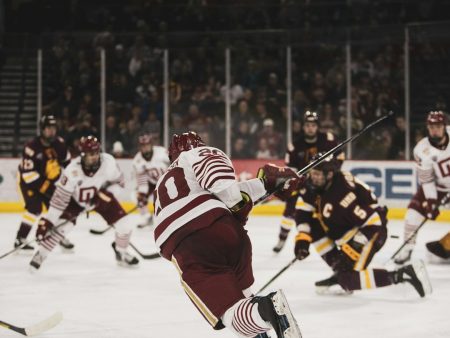
Backing the right team can still produce a losing ticket.
The Rangers score in overtime, but one bet wins while another loses. The difference is not the team selection—it is the settlement window.
Top Offshore Sportsbook Bonuses for September 2026

$2,500 Use code - PROMOBUCK2 to get a 125% First Deposit Bonus at the BetNow sportsbook when you deposit with Crypto.


$2,750
200% Crypto Bonus PLUS 10% Gamblers Insurance with a minimum $100 deposit and a maximum of $1,500. Use Code: JOIN200 in the Cashier.

An NHL moneyline usually includes overtime and the shootout. A three-way or “60-minute” market covers regulation only, with the tie offered as a separate outcome. Regulation puck lines and period bets have their own limits too. Labels vary by sportsbook, so the market name and house rules should be checked before the odds. A sound game prediction cannot rescue a wager placed under the wrong conditions.
- “Including overtime” and “regulation only” are not interchangeable.
Terms used before placing a bet
- Bankroll
Money set aside exclusively for betting. It should be separate from funds needed for bills, savings, or other essentials.
- Stake
The amount risked on one wager. A flat stake—such as one small, fixed unit—makes spending easier to track.
- Odds
The price attached to a selection. Odds determine both the implied probability and the potential payout.
- Betting line
The sportsbook’s posted terms for a market, such as a puck line of −1.5 or a total of 6.5 goals.
- Bet slip
The final screen showing the selection, odds, stake, and potential return. It should be checked before confirmation.
-
Set the limit first
Choose a firm entertainment budget and a small standard stake before opening a market. Losses should never trigger a larger deposit or stake.
-
Choose one market
Start with a straightforward option, such as moneyline, regulation result, puck line, or game total.
-
Read the market rules
Confirm whether overtime and shootouts count, how postponed games are treated, and what causes a wager to be void.
-
Compare price and terms
Check the exact selection and odds. Similar-looking markets may have different conditions, so price alone is not enough.
-
Review and record the wager
Verify the stake and potential return on the bet slip, then log the wager. Recording results helps reveal total spending rather than isolated wins.
Potential return usually includes the original stake; potential profit does not.
Only adults who meet the legal gambling age in their jurisdiction should participate, using a licensed sportsbook where required.
A bankroll limit is a stopping point, not a target to recover. Borrowing, chasing losses, or betting money reserved for essentials signals that it is time to stop. Sportsbooks and local support services provide deposit limits, time-outs, and self-exclusion tools.
Reading odds, price, and value
American odds describe both the price of a wager and its potential profit. A minus sign marks the favorite; a plus sign marks the underdog.
- At -150, a $150 stake produces $100 net profit. The total return is $250: the $150 stake plus $100 profit.
- At +130, a $100 stake produces $130 net profit. The total return is $230.
Stake and return should not be confused. Sportsbook bet slips often display the full potential payout, which includes the original stake.
Other odds formats
Decimal odds show total return per unit staked. Odds of -150 are roughly 1.67, while +130 becomes 2.30. Fractional odds express profit relative to stake: approximately 2/3 and 13/10, respectively.
Odds can also be converted into implied probability, the break-even win rate before considering any judgment about the game:
- Negative odds:
150 ÷ (150 + 100) = 60% - Positive odds:
100 ÷ (130 + 100) = 43.5%
Those percentages total 103.5%, not 100%. The excess represents the sportsbook’s built-in margin, often called the vig or overround.
A likely outcome can therefore be poor value. If a -150 favorite has only a 55% realistic chance of winning, its 60% break-even requirement makes the price unattractive—even if that team remains more likely to win than lose.
Four core team markets
The market name determines both what must happen and when scoring stops counting.
| Market | Winning condition | Does overtime count? | Push or loss |
|---|---|---|---|
| Moneyline | The selected team wins the game | Usually yes, including a shootout | A loss occurs if the other team wins; pushes are not standard |
| Regulation three-way | Pick the home team, away team, or draw after 60 minutes | No | A team pick loses if regulation ends tied, even if that team later wins |
| Puck line | The adjusted score covers the listed handicap | Usually yes for full-game lines | Half-goal lines cannot push; integer lines may |
| Game total | Combined goals finish over or under the number | Usually yes for full-game totals | An integer total pushes when goals equal the line; a half-goal total cannot |
The standard puck line is generally -1.5 for the favorite and +1.5 for the underdog. A favorite at -1.5 must win by at least two goals. An underdog at +1.5 wins the bet by winning outright or losing by exactly one.
Alternate puck lines change that margin and the price. Moving a favorite from -1.5 to -2.5 demands a larger win but usually offers higher odds; moving to +1.5 creates more protection at a steeper price. Full-game totals commonly include overtime, with a shootout adding one goal to the winner’s official score for settlement, but the sportsbook’s market label and rules should always be checked.


Short-window bets and parlays
These markets depend less on the final score and more on precise cutoffs and definitions:
- First-period bets cover only the opening period. Later goals cannot rescue a losing pick, and a tied period may win, lose, or push depending on whether the market is three-way or two-way.
- Team totals ask whether one team finishes above or below a posted number. The bet may include overtime but exclude shootout tallies; the sportsbook’s market rules control.
- Player props grade specific events such as goals, points, saves, or shots on goal. Official league records—not broadcast graphics or unofficial trackers—normally determine settlement. Stat corrections can therefore change grading. Participation and void rules should also be checked before betting.
- Same-game parlays combine selections from one matchup. Every leg generally must win, subject to the book’s rules for voided legs. Adding selections increases the possible payout but multiplies the ways the ticket can lose, so the chance of cashing falls quickly.
Before confirming any wager, the bettor should verify the covered time window, overtime treatment, statistical definition, and void policy.


When the result does not tell the whole story
Do overtime and shootouts always count?
No. NHL games use overtime and, when necessary, a shootout to decide a winner, but betting markets set different cutoffs. Moneylines usually include both; three-way and regulation-only bets do not.
Does a shootout goal count toward the total?
Sportsbooks commonly grade the final score with one goal added for the shootout winner, not every successful attempt. Team, period, and player markets may follow different rules, so the market description controls.
Does a goalie change void the bet?
A team bet usually remains live, but a listed-goalie wager may require the named starter. Prop participation rules also vary: some bets need a player to start, while others require only an appearance.
What happens after a postponement or abandoned game?
There is no universal time limit for resumption. A sportsbook may keep the wager open, grade completed period markets, or void it if the game is not finished within its stated window.
A disciplined matchup check
A useful handicap starts with expected goalies, not team records. Compare each likely starter’s workload and broader save profile, then check whether an injury removes a top scorer, defender, or penalty killer. Absences matter through changed roles, not name recognition alone.
- Goalie: Look for confirmation near game time. A backup can materially change a fair price, especially behind a weak defensive team.
- Rest and travel: Back-to-back scheduling matters most when it includes road travel, a heavily used starter, tired key skaters, or a rested opponent. It is not an automatic reason to fade a team.
- Home ice: Last change helps coaches seek favorable matchups, but the advantage should not be counted twice if it is already reflected in the odds.
- Special teams: Power-play and penalty-kill quality become more relevant when either side regularly takes penalties. Small samples can distort early-season percentages.
- Price: Finish by asking whether the available odds compensate for the uncertainty. A strong team can still be a poor bet at an inflated number.
Standings, winning streaks, and recent scores provide context, not conclusions. Shot quality, lineup changes, opponent strength, and price usually reveal more than a team’s last five results. Fandom should never substitute for a probability estimate.
Run this check before confirming
-
Read the settlement rule
Identify whether regulation, overtime, and shootouts count. Check push, void, postponement, and resumption terms rather than relying on the market name.
-
Confirm participation conditions
For goalie or player bets, verify whether the selection must start or merely play. Note what happens after a late scratch.
-
Recheck the exact ticket
Match the team or player, market, line, and displayed odds to the intended wager. A price change should trigger a fresh decision.
-
Look for an existing bet
Review open wagers and the bet slip so the same position is not submitted twice.
-
Test the stake
Keep it within a preset betting budget and small enough that a loss will not invite a chase. Reduce it if uncertain.
-
Create the record
Before confirmation, log the odds, stake, and brief reasoning. After grading, add the result and settlement notes, especially for a push, void, or unexpected ruling.
Start with one straightforward, low-stakes market, such as a moneyline, rather than several related bets. Once graded, compare the sportsbook’s treatment with the rule expected at placement.
A short log exposes repeated pricing mistakes, duplicate positions, and misunderstood conditions. It also keeps stake decisions visible—often the most useful safeguard before confirmation.