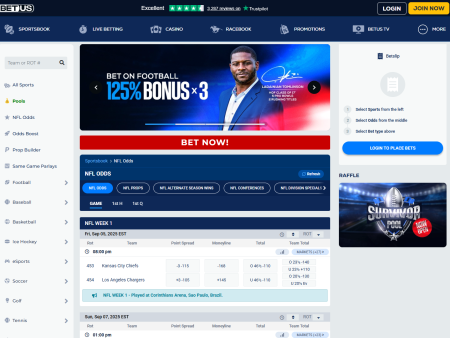
Offshore betting can become hardest to stop when the site makes stopping feel inconvenient, exposed, or financially messy.
A phone buzzes with a “limited-time” bonus while an offshore account is still logged in, a saved card is one tap away, and a pending withdrawal makes everything feel too complicated to touch. At that point, the problem is rarely just willpower. The account is open, the offers keep arriving, deposits feel frictionless, and privacy worries can make asking for help feel risky.

$2,500 Use code - PROMOBUCK2 to get a 125% First Deposit Bonus at the BetNow sportsbook when you deposit with Crypto.


$2,750
200% Crypto Bonus PLUS 10% Gamblers Insurance with a minimum $100 deposit and a maximum of $1,500. Use Code: JOIN200 in the Cashier.

The first useful shift is treating the situation as a knot of access, urgency, money movement, and support—not as a personal failure. Offshore sites may not follow local safeguards, and their self-exclusion tools can be uneven. Practical help starts with slowing the next deposit, reducing contact from the operator, protecting available funds, and bringing in a trusted support channel before the next impulse hits.
When support has to come before account fixes
-
Treat self-harm thoughts as an emergency
If someone might hurt themselves, feels unable to stay safe, or has made a plan, account passwords and balances can wait. Call emergency services, 988 in the U.S., or a trusted person who can stay present.
-
Interrupt an active binge
When deposits are still happening or losses are being chased, human friction helps. Move away from the device, hand over cards if possible, and contact one steady person immediately.
-
Name panic as a safety signal
Chest tightness, shaking, racing thoughts, or feeling trapped can make risky decisions feel urgent. Slowing down with another person on the line is safer than trying to solve everything alone.
-
Get help before financial fear spirals
Threats of eviction, missing rent, debt calls, or fear of a partner finding out can trigger desperate choices. A crisis conversation comes before loans, more bets, or secret transfers.
Practical account steps are easier after the immediate danger has passed.
Offshore gambling problems can feel isolating because the site may be overseas, hard to contact, or available all night. None of that changes the priority: immediate safety comes first.
In the United States, start with live crisis steps for gambling distress if there is panic, self-harm risk, or a binge that will not stop. If there is imminent physical danger, emergency services are the right first call.
What offshore gambling help can mean
Immediate safety support
When gambling is tied to self-harm thoughts, panic, or feeling unable to stop in the moment, live crisis or mental health support comes first. Account disputes can wait until the person is safe.
Gambling-control support
This includes blocking tools, self-exclusion, counseling, peer groups, or a plan to limit access to offshore sites. It fits situations where deposits, chasing losses, or urges are becoming hard to manage.
Financial triage
A practical review of rent, bills, debts, loans, chargebacks, and family money affected by betting. The goal is to protect essentials before trying to recover losses.
Account and payment help
This covers withdrawal problems, locked accounts, bonus terms, identity checks, and payment reversals. It is most useful once urgent safety and spending risks are under control.
Privacy and evidence help
Offshore sites may involve unfamiliar rules, data requests, and limited complaint routes. Saving chats, emails, transaction IDs, screenshots, and terms can make later support more effective.
A quick check for warning signs
-
Recent losses feel larger than planned
Look at the last 7–30 days, not a lifetime total. A warning sign is spending more than intended, then treating the next deposit as a way to “fix” the damage.
-
Chasing keeps restarting the session
Chasing can look like one more bet after a bad result, switching games for a faster win, or raising stakes to recover losses before stopping.
-
Gambling has become private or hard to explain
Hiding account activity, clearing messages, minimizing time spent betting, or feeling unable to describe deposits honestly can show the habit is gaining pressure.
-
Money is being moved around to keep betting
Borrowing, using credit, delaying bills, selling items, or moving funds between wallets and cards are practical signs that gambling has crossed into financial strain.
-
Stopping attempts do not hold
Repeated promises to pause, reduce stakes, or cash out earlier matter when they collapse within hours or days. A short self-check for offshore betting patterns can make the pattern easier to see.
-
Offshore sites are being used to get around limits
Opening new accounts after blocks, avoiding local safeguards, or choosing sites with fewer checks is a strong signal that outside support may be needed.
Privacy worries should not delay support
Shame often keeps a gambling problem hidden longer than the gambling itself. Offshore sites can add another layer of fear: unfamiliar operators, private payment methods, multiple accounts, or worries that admitting the problem will create trouble at home or work.
Support does not have to begin with a full confession or a perfect record of every deposit. A first conversation can be simple: gambling feels out of control, money is being lost, secrecy is growing, or stopping has not worked. That is enough for many helplines, counselors, and peer-support services to start helping.
Confidential options can also reduce the pressure. Some services allow first contact by chat, email, or phone without sharing a surname, account screenshots, or banking details. For anyone not ready to disclose everything, confidential help without revealing account details can be a practical first step.
The goal at this stage is not to prove the whole story. It is to create a safe pause, reduce isolation, and make the next decision less frantic.
A first contact can be brief: “Gambling is getting out of control, and help is needed to stop today.” Details can come later, when trust and safety are stronger.
Add friction before the next urge hits
Offshore betting accounts can be unusually easy to reopen, fund, or replace, so one block rarely solves the problem by itself. A better approach is to create several pauses between the urge and the bet: account closure, device blocking, password changes, payment limits, and fewer promotional triggers.
Start with the account. If the operator offers a responsible gambling tool, use the strongest available option and save proof of every step. The process for confirming an offshore self-exclusion actually took effect matters because rules, response times, and enforcement vary widely.
Next, make access inconvenient on the devices used most often. Site blockers, app restrictions, DNS filters, and screen-time controls can all help, especially when the passcode is held by a trusted person. For mobile access, follow a clear setup for blocking betting sites on a phone rather than relying on willpower during a craving.
Promotions need attention too. Bonus emails, odds boosts, VIP texts, and push alerts can restart the loop after a calm day. Use unsubscribe links, account notification settings, spam filters, and sender blocks; a guide to removing sportsbook email triggers can make this less hit-or-miss.
Keep a simple record:
- Date and time of each request
- Screenshots of settings, chats, and confirmation pages
- Support ticket numbers or email replies
- Follow-up dates if no confirmation arrives
If a barrier fails, that is information, not proof of failure. Add another layer and tell a support person what happened.
Offshore operators do not all handle limits, closures, or exclusions the same way. Save screenshots, ask for written confirmation, and check again later that login, deposits, emails, and app access are actually blocked.
Close the funding path
Site blocks, self-exclusion, and deleted apps can slow an urge, but they leave a gap if cards, bank transfers, payment apps, or crypto wallets still make deposits simple. A practical plan treats future deposits and money already offshore as two separate problems.
For future funding, the goal is friction: card blocks, bank gambling restrictions where available, lower transfer limits, removed saved cards, and wallet controls. A step-by-step approach to cutting off common deposit routes can reduce the chance of a fast relapse during a stressful moment.
Existing balances need a calmer process. The priority is documentation, account access, withdrawal rules, and avoiding fresh play while trying to recover funds. If money remains after an exclusion request, use safe withdrawal steps for remaining balances rather than logging in and improvising.
“One last bet” often feels like a way to fix the account before leaving. In practice, it keeps the account active, reopens chasing, and can make withdrawal decisions messier.
A clean stop is usually safer than trying to win back losses first. If there is money in the account, treat it as an administrative issue: record the balance, request withdrawal, save messages, and avoid placing bets while waiting.
Keep records without spreading risk
Records can turn a vague money problem into something a counselor, partner, or debt adviser can work with. Deposit totals, withdrawal attempts, bonus messages, and betting history show patterns that memory often smooths over, especially after a stressful session.
Good records can support:
- Counseling: clearer discussion of triggers, chasing, and peak-risk times.
- Budgeting: realistic totals for losses, fees, chargebacks, or crypto transfers.
- Debt conversations: dates and amounts that help separate urgent bills from gambling-related balances.
- Accountability: proof that blocks, exclusions, or withdrawal requests were actually submitted.
Offshore accounts may also hold sensitive identity, payment, device, and location details, so it helps to understand what personal data may sit inside the account before sharing files widely. If history is needed, follow a careful process to save betting records for counseling or personal files, then store them somewhere protected.
Screenshots should be cropped when possible. Account numbers, crypto wallet addresses, full card details, home addresses, and identity documents should not be sent casually through group chats, shared inboxes, or unsecured cloud folders.
Keep only what is useful, restrict access, and avoid posting screenshots publicly. If a counselor or adviser needs records, ask what format is safest before sending anything.
Support in the next 24 hours, week, and month
-
First 24 hours: make the next bet harder
The immediate goal is not a perfect recovery plan. It is a safer day: contact a helpline or trusted person, remove easy deposit options, turn on blocking tools, and avoid checking balances or promotions that can restart the urge.
-
First 24 hours: put money out of reach
If possible, essential funds should sit somewhere gambling cannot easily touch, such as a separate account managed with limits or temporary help from a trusted person. Bills, rent, food, and transport come before any attempt to “win back” losses.
-
First week: add steady support
A first appointment, peer meeting, or scheduled helpline follow-up gives the plan a place to continue after the panic fades. This is also a good time to list common triggers, such as late-night phone use, alcohol, payday, sports events, or arguments.
-
First week: clean up access points
Offshore sites, payment shortcuts, gambling emails, saved passwords, and social feeds can all keep the loop alive. Reducing these cues lowers the number of decisions required when willpower is already tired.
-
First month: review what worked
A month is long enough to spot patterns: safer times of day, risky apps, debts needing advice, or support that feels too light. The plan can be adjusted instead of judged as a pass-or-fail test.
-
If there is a lapse: increase support, not shame
A bet after stopping is useful information, not proof that help has failed. It usually means the barriers, money controls, or live support need to become stronger and faster.
- If distress is acute, live crisis support outranks every account, balance, or privacy concern.
- The best first fix is the one that blocks the fastest route back to gambling, not the one that feels most complete.
The next step should be small, immediate, and aimed at the biggest open leak. If the danger is emotional crisis, contact live support now. If it is money access, remove or freeze the deposit route. If it is account access, change passwords, enable blocking tools, or request exclusion. If it is marketing pressure, unsubscribe, block senders, and turn off notifications. If it is isolation, tell one trusted person what is happening today.
Do not try to repair everything at once. Pick the route most likely to restart gambling in the next hour and close that first. A useful protective action today might be: calling a helpline, removing saved cards, installing a gambling blocker, logging out and handing device access to someone safe, or sending one honest message: “Gambling is becoming unsafe, and support is needed tonight.”